



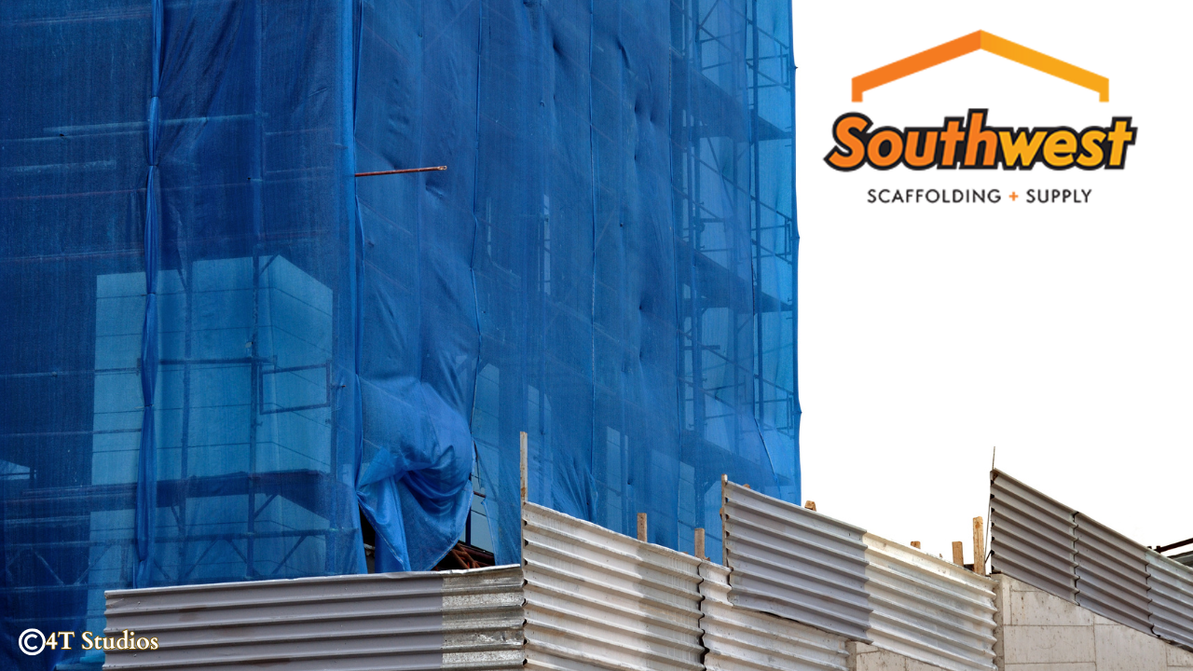
Debris Netting: History of Containment Systems
Construction projects involve constant movement of tools, materials, and equipment at height.
Without proper containment systems, falling debris can create serious risks for workers and anyone near the job site. As urban construction increased and projects became taller, the industry needed better ways to control those hazards.
Debris netting became one of the most effective solutions.
Today, containment netting is used across scaffolding, commercial construction, masonry, demolition, and industrial projects to improve both safety and job site organization.
Early Construction Sites Had Limited Containment
For many years, construction sites operated with minimal protection against falling materials.
Workers relied mostly on caution and temporary barriers, but loose tools, mortar, brick fragments, and construction debris still created major hazards below active work areas.
As projects expanded in cities and heavily populated areas, the risks became harder to manage.
Contractors needed systems capable of containing debris without slowing production.
The Introduction of Debris Netting
Debris netting offered a lightweight and adaptable solution.
Instead of relying solely on rigid barriers, contractors could install netting systems around scaffold structures and elevated work zones to help catch or contain loose materials.
This improved:
- Worker safety
- Pedestrian protection
- Dust control
- Job site organization
Netting systems also allowed airflow while maintaining visibility throughout the work area, making them practical for active projects.
How Debris Netting Improved Job Site Efficiency
Containment systems do more than improve safety.
They also help create cleaner and more organized job sites. Controlling debris reduces unnecessary cleanup, limits material spread, and helps crews maintain more efficient workflow throughout the project.
On masonry projects especially, debris netting helps contain:
- Mortar droppings
- Brick fragments
- Dust and loose material
- Small tools or equipment
That added control helps contractors maintain safer work environments while reducing disruptions around the site.
Modern Safety Standards
Organizations like the Occupational Safety and Health Administration continue emphasizing the importance of falling object protection and controlled work zones.
Modern debris netting systems are designed for:
- Durability
- UV resistance
- Secure attachment
- High-visibility work environments
Many systems are also engineered to handle demanding weather and job site conditions while maintaining reliable containment.
Why Reliable Containment Matters
Containment systems deal with constant exposure to wind, dust, debris, and heavy use.
Weak or damaged netting can create safety concerns and reduce effectiveness on active projects. Contractors need dependable systems capable of handling real-world construction conditions day after day.
Reliable debris netting helps crews:
- Improve site safety
- Reduce cleanup time
- Maintain organized work zones
- Protect surrounding areas
On busy commercial projects, those advantages matter.
Southwest Scaffolding
At Southwest Scaffolding, contractors can find debris netting and scaffold safety components designed for demanding construction environments. Reliable containment systems help support safer, cleaner, and more efficient job sites.
The right safety setup protects workers, surrounding property, and project productivity.
Key Takeaways
- Early construction sites had limited debris containment systems
- Debris netting improved falling object protection and site organization
- Modern systems support both safety and productivity
- Reliable containment equipment helps contractors maintain safer work environments
Coming Next in the Series
Trowels: The Masonry Tool That Helped Shape Construction History
Recent Posts
-

Why Do Masonry Walls Need to Breathe?
Let's get one thing out of the way first. Your brick wall isn't actually breathing. It doesn't inhal …Oct 16th 2026 -

Why Are Buildings Built on Piles?
Most buildings look like they're sitting on the ground. Sometimes that's a little misleading. The bu …Oct 13th 2026 -

Why Are There Gaps in Concrete?
Concrete cracks. There. We said it. Not exactly the opening line the concrete industry would put on …Oct 12th 2026