


How Wind Affects Scaffolding Stability
Most contractors pay attention to rain.
They pay attention to lightning.
They pay attention to extreme heat.
But wind is often underestimated.
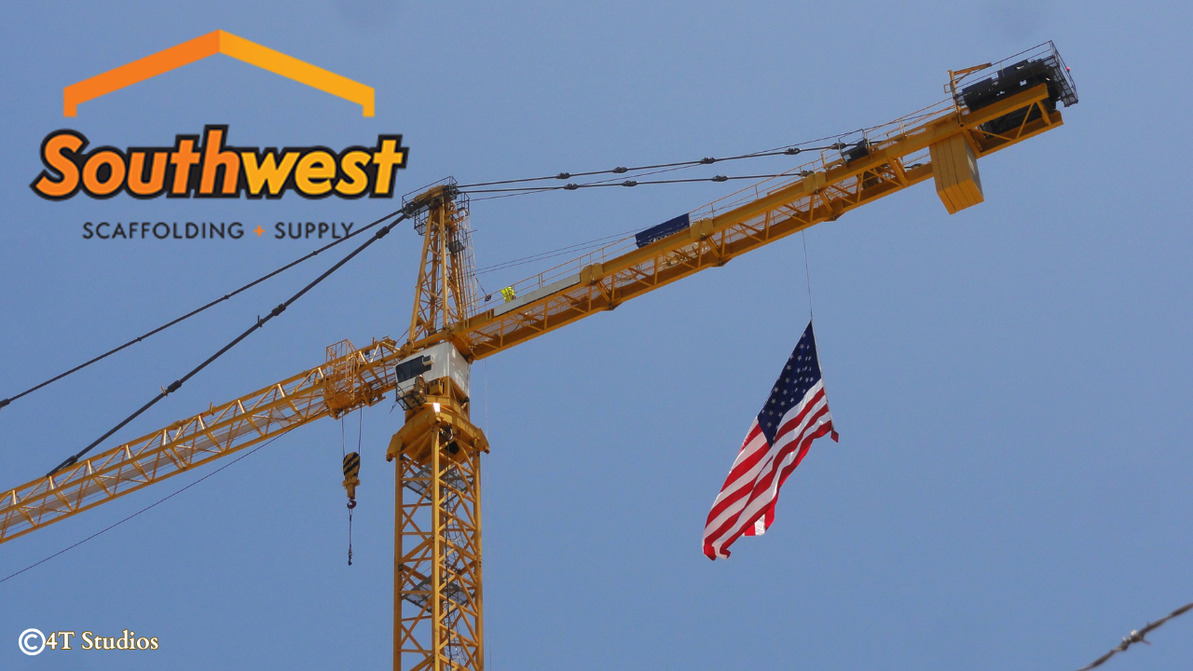
After all, a little breeze does not seem like much when you're standing on the ground. Yet high above a jobsite, that same wind can place tremendous stress on scaffolding, workers, materials, and structures.
The truth is that wind is one of the most powerful forces acting on a scaffold system, and it is responsible for countless accidents, collapses, and near misses every year.
Understanding how wind affects scaffolding stability is not just important for safety. It can prevent property damage, project delays, equipment loss, and serious injuries.
Wind Creates Force
Most people think of wind as moving air.
Engineers think of it as a load, the same way every scaffold has a rated capacity for the weight it carries.
Just like workers, tools, and materials create weight loads on a scaffold, wind creates lateral loads that push against the structure from the side.
The stronger the wind becomes, the greater that force becomes.
A scaffold standing perfectly stable on a calm morning can behave very differently when a strong afternoon wind begins pushing against it.
That force is constantly trying to move, shift, and overturn the structure.
The taller the scaffold, the greater the challenge becomes.
Height Changes Everything
Anyone who has worked at elevation knows that wind often feels much stronger the higher you climb.
That's because it usually is.
Buildings, trees, vehicles, and other obstacles help slow wind near ground level. As elevation increases, those obstructions disappear, allowing wind speeds to increase.
A breeze that barely moves leaves at ground level may be significantly stronger twenty, thirty, or fifty feet above the surface.
This is why workers sometimes climb onto a scaffold and immediately realize conditions feel very different than they did just moments earlier.
The higher the scaffold, the more important wind monitoring becomes.
Wind Turns Materials Into Sails
Scaffolding itself is not the only concern.
Materials can create problems too.
Plywood.
Tarps.
Debris netting.
Shrink wrap.
Signage.
Plastic sheeting.
These materials increase the amount of surface area exposed to wind, and the accessories and coverings on a scaffold change that exposure fast.
When wind strikes a large surface, it creates additional pressure on the scaffold structure.
Think about holding a sheet of plywood during a windy day.
You can feel the force trying to pull it from your hands.
Now imagine that force acting continuously against an entire scaffold system.
What started as a manageable breeze can quickly create significant stress on the structure.
Tie-Ins Matter More Than Most People Realize
One of the most important defenses against wind-related scaffold movement is proper anchoring.
Tie-ins connect the scaffold to the structure it serves, working alongside the bracing on the scaffold itself.
Without adequate tie-ins, wind forces can create movement that affects the stability of the entire system.
Unfortunately, tie-ins are sometimes viewed as just another step in the assembly process.
In reality, they are often one of the most important safety features on the scaffold.
Every tie-in helps transfer wind loads away from the scaffold and into the structure itself.
When properly installed, they help prevent swaying, shifting, and overturning.
Workers Feel the Effects Too
Wind does not only affect the scaffold.
It affects the people standing on it.
Strong gusts can reduce balance.
They can make carrying materials more difficult.
They can interfere with communication.
They can increase fatigue as workers constantly fight to maintain stability.
Tasks that seem routine under calm conditions can become significantly more challenging when wind speeds increase. That's one more reason fall protection is never optional above grade.
This is especially true when workers are handling long materials, large panels, or tools that create additional wind resistance.
The Danger of Sudden Gusts
Steady wind is one thing.
Unexpected gusts are another.
Many wind-related accidents occur because conditions appear acceptable right up until a strong gust arrives.
A worker reaches for a material.
A panel is being lifted into place.
A tarp is partially secured.
Then a sudden gust changes everything.
That is why safety decisions should not be based solely on average wind speeds.
Gust conditions matter too.
Wind and Inspections Go Hand in Hand
After periods of high wind, scaffolds should be inspected before work resumes.
Wind can loosen components.
It can shift materials.
It can damage planking.
It can affect tie-ins and connections.
Most of these issues are not immediately visible from the ground.
A thorough inspection helps identify problems before workers return to the scaffold.
A few minutes spent inspecting can prevent much larger problems later.
Respect the Physics
One of the themes you'll see throughout this series is that construction safety often comes down to understanding physics. The physics behind fall protection works the same way.
Wind does not care about schedules.
It does not care about deadlines.
It does not care how experienced a worker may be.
It follows the same laws every single day.
The contractors who consistently operate safely are not the ones who ignore those forces.
They are the ones who respect them.
At Southwest Scaffolding, we understand that scaffold safety involves more than assembling components. It requires understanding the forces acting on the structure and taking the proper steps to protect workers and projects. Proper planning, quality equipment, and regular inspections all play a role in maintaining stability when conditions change.
Because when it comes to scaffolding, sometimes the most dangerous thing on a jobsite is something you can't even see.
Recent Posts
-

Why Are Cooling Towers Shaped Like That?
Some structures are instantly recognizable. You can see a massive cooling tower from miles away. Wid …Oct 21st 2026 -

Why Are Water Towers So High?
Every small town seems to have one. A giant tank sitting way up in the air with the town's name pain …Oct 19th 2026 -
Why Do Masonry Walls Need to Breathe?
Let's get one thing out of the way first. Your brick wall isn't actually breathing. It doesn't inhal …Oct 16th 2026