

The Basics of Fall Protection: What Every Worker Should ...
Falls are one of the leading causes of injuries and fatalities in the construction industry. Whether working on scaffolding, ladders, or rooftops, proper fall protection is essential for safety and compliance with industry regulations. In this guide, we’ll cover the basics of fall protection, including key regulations, essential equipment, and best practices every worker should follow.
Understanding Fall Protection Regulations
The Occupational Safety and Health Administration (OSHA) has strict regulations in place to prevent fall-related injuries. Here are some key requirements:
-
OSHA’s General Rule: Fall protection is required for workers at heights of 6 feet in construction and 4 feet in general industry.
-
Scaffolding: Fall protection is required at 10 feet.
-
Roof Work: Employers must provide fall protection systems such as guardrails, safety nets, or personal fall arrest systems when workers are exposed to fall hazards.
-
Training Requirements: Workers must be trained to recognize fall hazards and understand how to use fall protection equipment properly.
Essential Fall Protection Equipment
Proper equipment is the foundation of fall safety. Here are the key components:
-
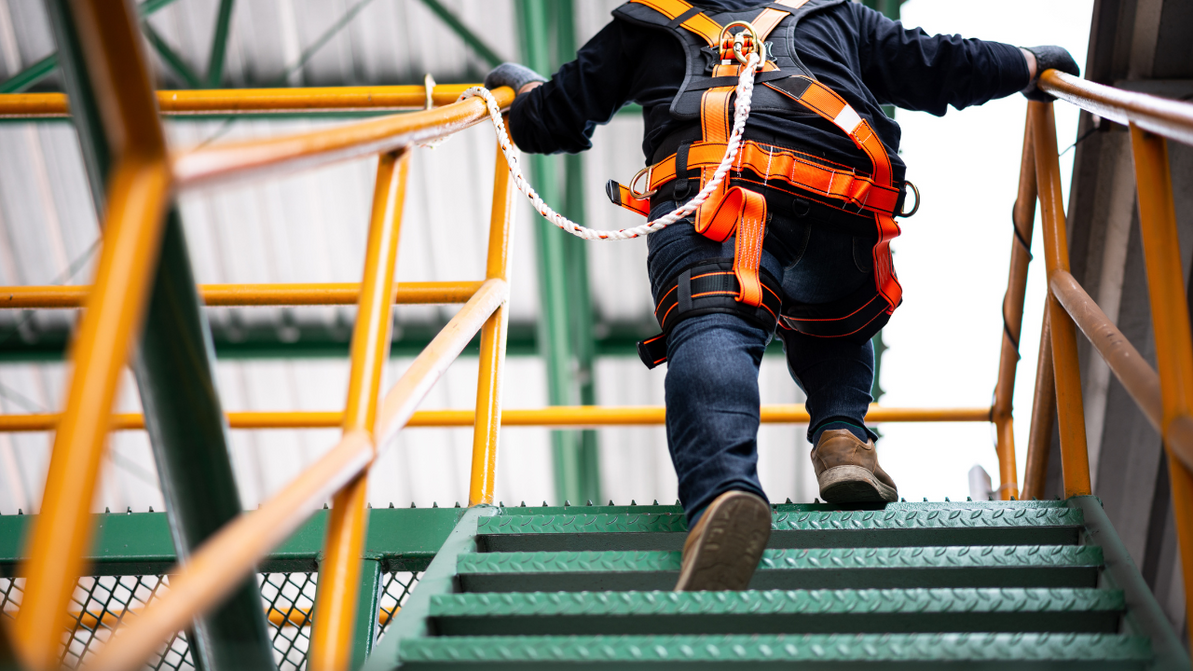
Harnesses – A full-body harness distributes the force of a fall and helps prevent serious injury.
-
Lanyards and Lifelines – These connect the harness to a secure anchor point, reducing fall distance.
-
Anchor Points – Secure points where workers attach their lanyards or lifelines, rated to withstand the force of a fall.
-
Guardrails – A passive fall protection system used around edges, openings, and scaffolding.
-
Safety Nets – Used as a secondary measure when other fall protection methods are not feasible.
-
Self-Retracting Lifelines (SRLs) – These provide flexibility and additional safety by automatically adjusting to a worker’s movement.
Best Practices for Fall Protection
To maximize safety, follow these fall protection best practices:
-
Conduct Regular Inspections – Before each use, inspect harnesses, lanyards, and anchor points for wear, damage, or defects.
-
Use Proper Anchorage – Always ensure that anchor points meet OSHA standards and are capable of supporting required loads.
-
Ensure Correct Fit – A harness that is too loose or too tight can reduce effectiveness and increase risk.
-
Train All Workers – Ensure everyone understands fall hazards, proper equipment use, and emergency procedures.
-
Keep Work Areas Clear – Reduce tripping hazards by keeping tools, cords, and debris organized.
-
Plan Ahead – Before starting any elevated work, assess the job site and determine the most effective fall protection strategy.
Conclusion
Fall protection is not just about compliance—it’s about keeping workers safe and preventing life-altering accidents. By following OSHA guidelines, using the right equipment, and maintaining best practices, construction teams can significantly reduce fall risks. At Southwest Scaffolding, we provide high-quality fall protection gear to keep you and your crew safe on every job site.
For more information on fall protection equipment, check out our selection of harnesses, lanyards, and other safety gear to ensure compliance and worker safety on your next project.
Recent Posts
-

Why Do Masonry Walls Need to Breathe?
Let's get one thing out of the way first. Your brick wall isn't actually breathing. It doesn't inhal …Oct 16th 2026 -

Why Are Buildings Built on Piles?
Most buildings look like they're sitting on the ground. Sometimes that's a little misleading. The bu …Oct 13th 2026 -
Why Are There Gaps in Concrete?
Concrete cracks. There. We said it. Not exactly the opening line the concrete industry would put on …Oct 12th 2026