


The Evolution of Pump Jacks
Construction has always been about balancing access, efficiency, and labor.
For years, crews working on residential and light commercial projects had limited options when it came to working at height. Contractors either relied heavily on ladders or spent valuable time assembling larger scaffold systems that were often excessive for smaller jobs.
Pump jacks helped solve that problem.
Lightweight, adjustable, and relatively easy to move, pump jack systems became one of the most practical solutions for siding crews, painters, carpenters, and exterior contractors looking for safer and more productive access systems.
Before Pump Jacks: Limited Options for Residential Crews
Before pump jacks became common, many crews worked almost entirely from ladders.
While ladders were easy to transport and inexpensive, they created constant interruptions. Workers had to repeatedly climb down, reposition the ladder, and climb back up just to continue moving across a wall.
This slowed production and increased fatigue throughout the day.
Traditional scaffolding solved some of those issues, but it often required:
- More setup time
- More labor
- More material handling
- Larger footprints on smaller projects
Contractors needed something faster and more adaptable for residential work.
How Pump Jacks Changed the Industry
Pump jack systems introduced a much more efficient way to work.
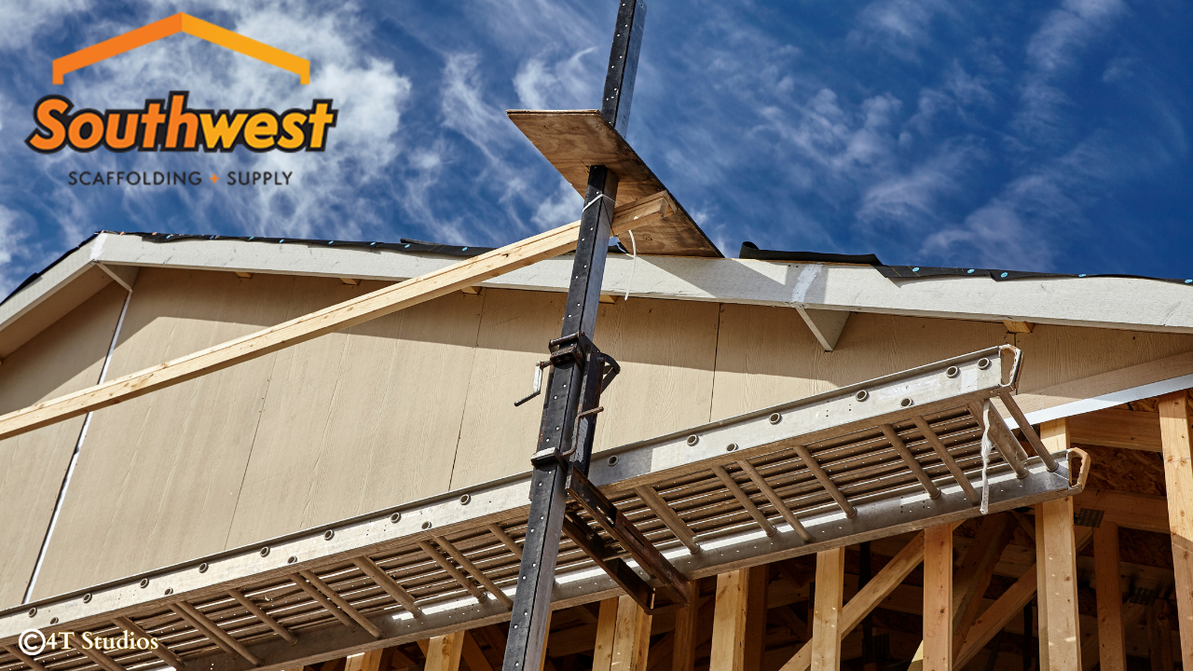
Using vertical poles combined with adjustable brackets and platforms, workers could raise or lower the work surface as needed while maintaining continuous access across a wall.
This allowed crews to:
- Move horizontally without constant repositioning
- Adjust working height quickly
- Reduce unnecessary climbing
- Improve production speed
The system was simple, but highly effective.
Instead of breaking workflow every few minutes to move a ladder, workers could stay focused on the job itself.
Why Contractors Adopted Them Quickly
Pump jacks quickly became popular because they offered a balance between mobility and productivity.
Residential crews especially appreciated that pump jack systems were:
- Easier to transport than full scaffolding
- Faster to assemble
- Flexible on changing terrain
- More practical for smaller projects
For siding and exterior finishing work, pump jacks dramatically improved efficiency compared to ladder-only setups.
Crews could carry tools and materials more comfortably while maintaining a more stable working position throughout the project.
Safety Improvements Over Time
Like many early scaffold systems, older pump jack setups varied in quality and safety.
As construction safety standards improved, manufacturers began strengthening:
- Bracket systems
- Platform supports
- Guardrail options
- Load capacities
Organizations like the Occupational Safety and Health Administration established clearer regulations for scaffold systems, including pump jacks, helping improve consistency and worker protection across the industry.
Modern systems are now designed with much greater attention to:
- Stability
- Weight ratings
- Secure attachment methods
- Fall protection compatibility
These improvements helped make pump jacks safer and more dependable on active job sites.
Why Pump Jacks Still Matter Today
Even with modern lifts and advanced scaffold systems available, pump jacks remain widely used.
Their simplicity is part of their value.
For many contractors, pump jacks still provide one of the best combinations of:
- Affordability
- Speed
- Flexibility
- Efficiency
On residential and light commercial projects, they continue to offer a practical solution without requiring large-scale scaffold setups.
For smaller crews especially, that efficiency can make a major difference in labor costs and project timelines.
Why Reliable Equipment Matters
Pump jack systems deal with constant movement and changing loads throughout the workday.
Reliable components matter.
Damaged poles, worn brackets, or unstable platforms can create serious safety and productivity issues. Contractors need systems that perform consistently under real working conditions.
Dependable equipment helps crews:
- Work more confidently
- Reduce downtime
- Maintain smoother workflow
- Improve overall safety on the project
Southwest Scaffolding
At Southwest Scaffolding, contractors can find pump jack systems and scaffold components built for demanding job site conditions. Reliable access equipment helps crews stay productive while supporting safer and more efficient workflow throughout the project.
The right setup saves time, reduces labor strain, and helps keep jobs moving forward.
Key Takeaways
- Pump jacks provided a faster alternative to ladders and oversized scaffold systems
- They improved efficiency for residential and light commercial crews
- Modern systems focus on both productivity and safety
- Reliable equipment helps contractors maintain smoother workflow and safer job sites
Coming Next in the Series
Grout Pumps: How Material Delivery Systems Improved Masonry Efficiency
Recent Posts
-

The Evolution of Pump Jacks
Construction has always been about balancing access, efficiency, and labor. For years, crews working …May 26th 2026 -

Walk Boards and Planking: The History of platforms
Every scaffold system depends on one critical component: the working platform. No matter how strong …May 25th 2026 -
Pulley Systems: How Material Lifting Changed the Job Site
One of the biggest challenges in construction has always been lifting materials. Brick, mortar, ston …May 22nd 2026