


Walk Boards and Planking: The History of platforms
Every scaffold system depends on one critical component: the working platform.
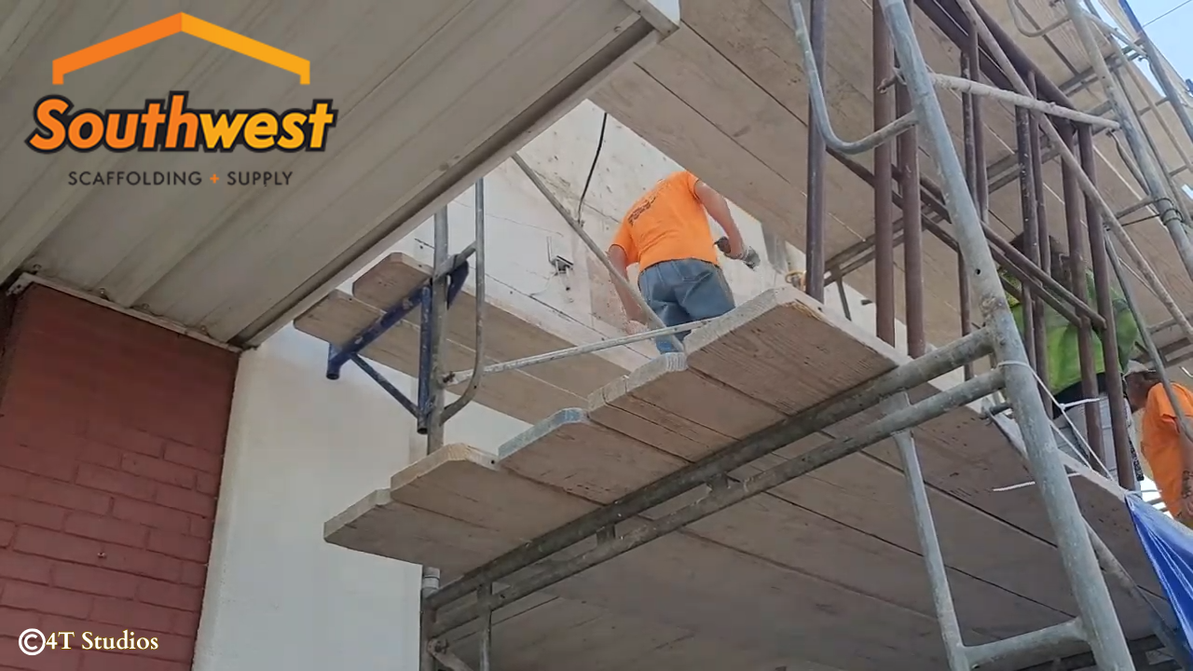
No matter how strong the frames, braces, or connections may be, workers still need a stable surface to stand on while carrying tools, moving materials, and completing tasks at height. That is where walk boards and planking come in.
These platforms may not always get much attention, but they play a major role in both job site safety and overall efficiency.
Early Scaffold Platforms Were Basic
The first scaffold platforms were extremely simple.
Builders used rough-cut lumber or whatever boards were available at the time. These planks were laid across wooden support structures to create temporary working surfaces for masons, carpenters, and laborers.
The problem was consistency.
Early planks varied greatly in:
- Thickness
- Strength
- Stability
- Load capacity
Some boards performed well while others cracked, warped, or shifted under weight. Workers often dealt with uneven footing and unstable surfaces while operating at dangerous heights.
As construction projects became larger and taller, these risks became harder to ignore.
Why Reliable Platforms Became Essential
Scaffold systems evolved quickly during the Industrial Revolution as steel structures and commercial construction expanded.
Contractors realized that workers could not operate efficiently on unstable or poorly supported platforms. Stronger and more dependable planking systems became necessary not only for safety, but also for productivity.
A stable platform allows crews to:
- Move materials more efficiently
- Work faster and more confidently
- Reduce fatigue caused by unstable footing
- Maintain smoother workflow throughout the project
For masonry crews especially, reliable planking became critical because of the heavy materials constantly being moved across scaffold systems.
Brick, mortar, block, and tools all place significant weight and stress on working platforms throughout the day.
The Shift Toward Standardized Scaffold Planks
Over time, manufacturers began producing scaffold planks specifically designed for construction use.
Instead of relying on random lumber from the job site, contractors could now use engineered platforms built for predictable performance and tested load capacity.
This shift dramatically improved:
- Safety consistency
- Structural reliability
- Job site organization
- Worker confidence
Standardized planking systems also reduced many of the failures caused by damaged or improperly sized boards.
Eventually, aluminum walk boards became more common on modern job sites because they offered several advantages over traditional wood planks.
These included:
- Lighter weight
- Improved durability
- Better weather resistance
- Longer service life
- More consistent performance
Many modern systems also include slip-resistant surfaces and reinforced ends designed for heavy-duty construction environments.
Modern Safety Standards
As scaffold systems improved, safety regulations became more detailed.
Organizations like the Occupational Safety and Health Administration established standards for scaffold planking, including requirements for:
- Proper overlap
- Load ratings
- Secure installation
- Platform width
- Inspection procedures
These regulations help reduce accidents caused by plank movement, failure, or improper setup.
Today’s scaffold platforms are expected to perform consistently under demanding job site conditions while supporting both worker safety and production goals.
Why Walk Boards Still Matter Today
Modern construction moves fast.
Crews are expected to complete projects efficiently while maintaining strict safety standards. Reliable walk boards help make that possible.
Workers are more productive when they trust the platform beneath them. Stable footing improves movement, reduces unnecessary caution, and allows crews to focus on the task itself instead of worrying about shifting or weak planks.
That confidence matters on every project, especially when crews are working long hours at height.
Why Quality Makes a Difference
Not all scaffold planking performs the same.
Damaged boards, weak materials, or improperly rated platforms can create problems long before visible failure occurs. Contractors need dependable equipment that holds up under real working conditions day after day.
Reliable planking systems help reduce:
- Job site delays
- Excessive movement
- Safety concerns
- Unnecessary replacements
The right platform setup helps crews stay productive while supporting safer working environments.
Southwest Scaffolding
At Southwest Scaffolding, contractors can find scaffold walk boards, planking systems, and scaffold components designed for durability, stability, and real job site performance.
Reliable working platforms help crews move efficiently, handle materials safely, and keep projects on schedule.
Key Takeaways
- Walk boards and planking create the working surface for scaffold systems
- Early scaffold planks were often inconsistent and unreliable
- Standardized planking improved both safety and productivity
- Modern walk boards are designed for durability, stability, and efficiency
Coming Next in the Series
The Evolution of Pump Jacks: How Simple Lifting Systems Improved Productivity
Recent Posts
-

Why Do Cranes Need Counterweights?
Cranes are impressive machines. They can pick up steel, concrete, equipment, materials, and loads we …Oct 26th 2026 -

Why Are Cooling Towers Shaped Like That?
Some structures are instantly recognizable. You can see a massive cooling tower from miles away. Wid …Oct 21st 2026 -

Why Are Water Towers So High?
Every small town seems to have one. A giant tank sitting way up in the air with the town's name pain …Oct 19th 2026