

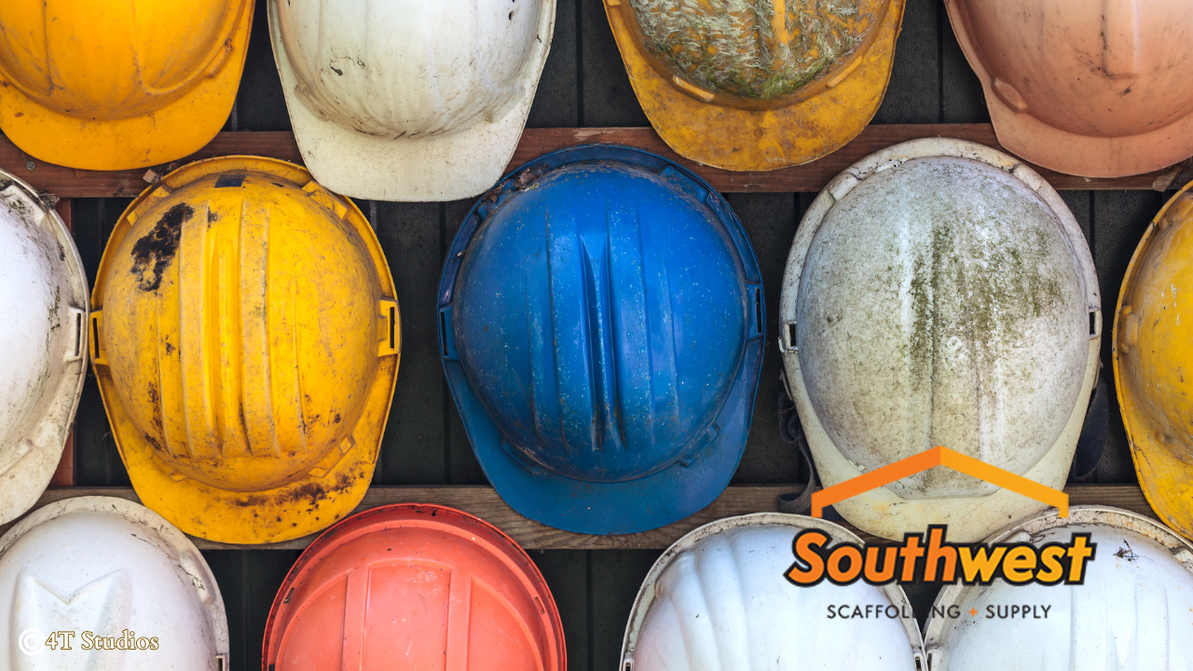
Hard Hats vs. Helmets: Evolution of Head Protection
Construction has always involved hazards from above.
Falling tools, loose materials, low overhead obstacles, and slips at height have created serious head injury risks for generations of workers. As projects became larger and more complex, the industry needed better ways to protect crews operating in dangerous environments.
That need led to the development of the hard hat, one of the most recognizable pieces of safety equipment in construction history.
Today, head protection continues evolving as modern safety helmets begin replacing traditional hard hats on many job sites.
Before Hard Hats: Minimal Head Protection
Early construction workers had little protection from head injuries.
In many cases, workers relied on cloth caps, leather hats, or no protection at all while operating around dangerous equipment and elevated work areas.
As industrial construction expanded during the late 1800s and early 1900s, injuries caused by falling objects became more common and more severe.
The industry needed a safer solution.
The Birth of the Hard Hat
One of the earliest versions of the hard hat was inspired by military helmets used during wartime.
Manufacturers began developing protective headgear using materials like hardened leather, canvas, and eventually aluminum and fiberglass. These early hard hats focused mainly on protecting workers from falling debris.
Over time, materials improved dramatically.
Modern hard hats became lighter, stronger, and more comfortable while maintaining impact resistance for active job sites.
For decades, they became the standard form of head protection throughout construction, masonry, scaffolding, and industrial work.
Why Safety Helmets Are Gaining Attention
While traditional hard hats protect mainly from impacts directly above, modern safety helmets are designed to provide more comprehensive protection.
Many newer helmets include:
- Side impact protection
- Chin straps for secure fit
- Improved suspension systems
- Better comfort for extended wear
- Integrated face shield and hearing protection options
This shift reflects growing awareness that many job site injuries involve more than just vertical impacts.
Workers climbing scaffolding, operating lifts, or moving across uneven terrain face additional risks from slips, trips, and lateral impacts.
The Role of OSHA and Modern Safety Standards
Organizations like the Occupational Safety and Health Administration continue pushing for improved job site safety practices.
While traditional hard hats remain common, many contractors and safety managers are now evaluating newer helmet systems because of their expanded protection capabilities.
The construction industry has become more focused on:
- Reducing traumatic head injuries
- Improving worker compliance
- Increasing comfort and wearability
- Enhancing protection during falls and movement
As safety expectations evolve, head protection is evolving with them.
Comfort and Productivity Matter Too
Protection is only effective if workers actually wear the equipment consistently.
Modern helmet systems are often designed with improved ventilation, adjustable fit systems, and more secure retention. This helps reduce issues like slipping, discomfort, or workers removing protection during the day.
Better comfort can improve:
- Worker compliance
- Productivity
- Focus on the job
- Overall safety culture on site
For contractors, that matters just as much as the equipment itself.
Why Reliable Equipment Matters
Head protection equipment takes constant abuse on active job sites.
Sun exposure, impacts, heavy use, and improper storage can weaken materials over time. Contractors need dependable equipment that holds up under real working conditions and meets modern safety standards.
Reliable safety equipment helps protect both workers and project timelines.
Southwest Scaffolding
At Southwest Scaffolding, contractors can find job site safety equipment designed for demanding construction environments, including head protection solutions that help crews work safer and more confidently.
Reliable safety gear helps support better workflow, stronger compliance, and safer job sites overall.
Key Takeaways
- Early construction workers had little reliable head protection
- Hard hats became the industry standard for decades
- Modern safety helmets provide expanded impact protection and improved fit
- Reliable safety equipment supports both worker protection and productivity
Coming Next in the Series
Debris Netting: How Containment Systems Improved Job Site Safety
Recent Posts
-

Why Do Cranes Need Counterweights?
Cranes are impressive machines. They can pick up steel, concrete, equipment, materials, and loads we …Oct 26th 2026 -

Why Are Cooling Towers Shaped Like That?
Some structures are instantly recognizable. You can see a massive cooling tower from miles away. Wid …Oct 21st 2026 -

Why Are Water Towers So High?
Every small town seems to have one. A giant tank sitting way up in the air with the town's name pain …Oct 19th 2026