

History of Fall Protection: Evolving Construction Safety
Working at height has always been one of the most dangerous parts of construction.
Long before modern safety standards existed, workers climbed scaffolding, steel structures, ladders, and rooftops with little more than balance and experience protecting them. Falls were common, and serious injuries were often considered just part of the job.
Over time, the construction industry realized that productivity means nothing if workers are not protected. That shift led to the development of modern fall protection systems that continue to evolve today.
Early Construction Safety Was Minimal
In the early days of construction, there were very few organized safety requirements.
Workers building bridges, skyscrapers, and industrial facilities often operated at dangerous heights without harnesses, guardrails, or secure tie-off systems. Many relied on basic ropes or improvised methods that offered little real protection.
As construction projects became larger and taller, the risks increased dramatically.
Accidents on major projects helped expose the need for better safety systems and stronger regulations.
The Rise of Modern Fall Protection
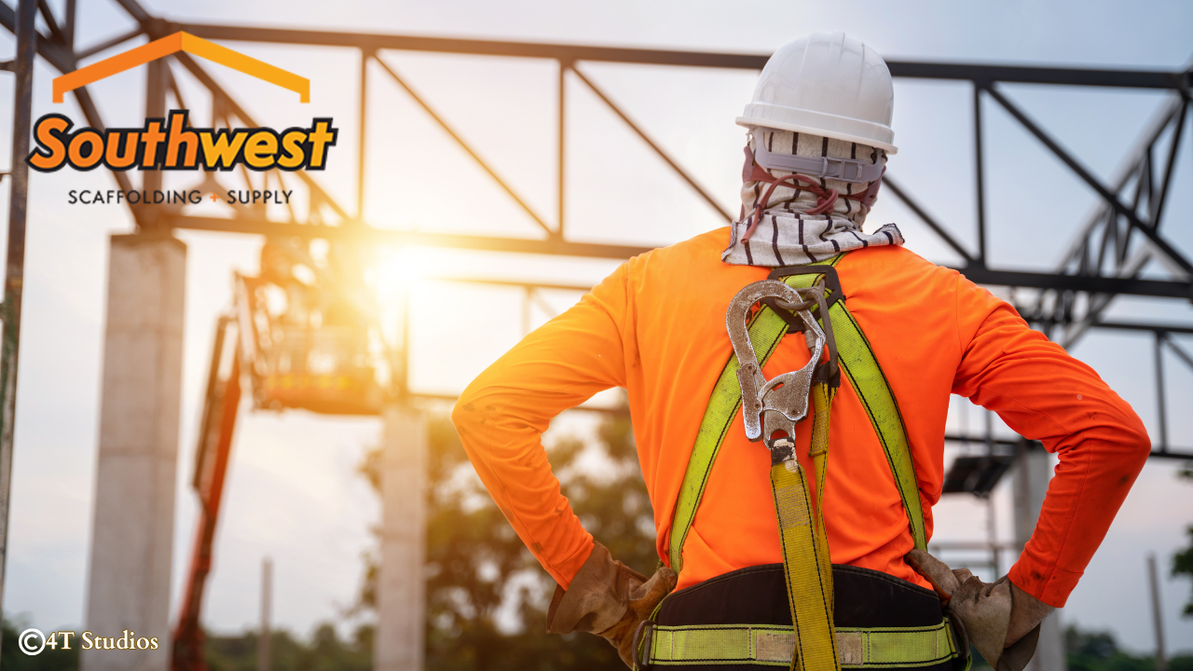
The introduction of safety harnesses, lanyards, guardrails, and anchor systems changed construction safety forever.
Instead of relying solely on worker caution, contractors could now use engineered systems designed specifically to reduce fall risks. These systems created multiple layers of protection for workers operating at height.
Modern fall protection often includes:
Personal fall arrest systems
Guardrail systems
Safety nets
Anchor points and lifelines
Controlled access zones
Each advancement improved both safety and confidence on the job site.
How OSHA Changed the Industry
The creation of the Occupational Safety and Health Administration played a major role in standardizing fall protection requirements across the construction industry.
OSHA established regulations covering:
Required fall protection heights
Harness and lanyard standards
Scaffold guardrail requirements
Worker training expectations
These standards helped push the industry toward safer practices and more reliable equipment.
Today, fall protection is no longer viewed as optional. It is a critical part of responsible job site management.
Why Fall Protection Impacts Productivity
Some people think safety systems slow crews down, but the opposite is often true.
When workers feel secure, they work more confidently and efficiently. Organized fall protection systems also reduce disruptions caused by unsafe conditions, inspections, or accidents.
Reliable safety systems help contractors:
Maintain compliance
Reduce liability
Improve worker confidence
Keep projects moving consistently
On busy job sites, those advantages matter.
Modern Fall Protection Continues to Evolve
Today’s fall protection equipment is lighter, stronger, and more comfortable than earlier systems.
Manufacturers continue improving:
Harness fit and mobility
Shock-absorbing lanyards
Self-retracting lifelines
Anchor systems for scaffolding and steel work
The goal is not just preventing falls, but creating systems workers will actually use consistently.
As job sites become more demanding, modern fall protection continues adapting to meet changing safety expectations.
Why Reliable Equipment Matters
Fall protection equipment must perform correctly every time.
Damaged harnesses, worn connectors, or improperly rated components create serious risks on the job site. Contractors need dependable equipment that holds up under real working conditions.
Reliable systems help crews stay protected while maintaining efficiency throughout the project.
Southwest Scaffolding
At Southwest Scaffolding, contractors can find fall protection equipment and scaffold safety components designed for demanding construction environments. Having reliable safety equipment on site helps crews work more confidently while supporting safer and more productive job sites.
The right safety setup protects both workers and project timelines.
Key Takeaways
Early construction work involved significant fall risks with limited protection
Modern fall protection systems improved safety and job site organization
OSHA standards helped establish safer industry practices
Reliable safety equipment supports both productivity and worker protection
Coming Next in the Series
Hard Hats vs Helmets: How Head Protection Continues to Evolve
Recent Posts
-

Why Do Cranes Need Counterweights?
Cranes are impressive machines. They can pick up steel, concrete, equipment, materials, and loads we …Oct 26th 2026 -

Why Are Cooling Towers Shaped Like That?
Some structures are instantly recognizable. You can see a massive cooling tower from miles away. Wid …Oct 21st 2026 -

Why Are Water Towers So High?
Every small town seems to have one. A giant tank sitting way up in the air with the town's name pain …Oct 19th 2026