


Coupling Pins, Couplers, and Clamps: The Small Components That Hold Scaffolding Together
Every scaffold system depends on connection points.
Frames, braces, and platforms may get most of the attention, but none of them function properly without the components designed to hold everything securely together. Coupling pins, couplers, and clamps are some of the most overlooked parts of scaffolding, yet they play one of the biggest roles in structural stability and safety.
A scaffold system is only as reliable as its connections.
Early Scaffolding Relied on Rope and Improvisation
The earliest scaffolding systems used rope, leather straps, and wood joinery to secure structures together.
While these methods worked for their time, they had limitations. Connections could loosen under movement, weather exposure weakened materials, and consistency varied from one crew to another.
As construction projects became larger and more demanding, builders needed stronger and more reliable ways to secure scaffolding components.
The Rise of Metal Connections
The move from wood scaffolding to steel systems changed everything.
Metal couplers and clamps introduced greater strength and repeatability. Instead of relying on custom-built connections, crews could assemble systems using standardized hardware designed for predictable performance.
This shift improved:
- Structural consistency
- Load handling
- Setup speed
- Worker safety
Pipe and coupler systems became especially popular because they allowed scaffolding to adapt to complex structures while still maintaining strength.
What Coupling Pins Do
Coupling pins are designed to connect scaffold frames vertically.
These small components align frames and help maintain continuity throughout the structure. Without proper pin connections, scaffold sections can shift, separate, or become unstable under load.
Modern coupling pins are engineered for:
- Secure frame alignment
- Faster assembly
- Consistent load transfer
- Reduced movement between sections
It is a simple part, but it plays a major role in keeping systems stable.
Why Couplers and Clamps Matter
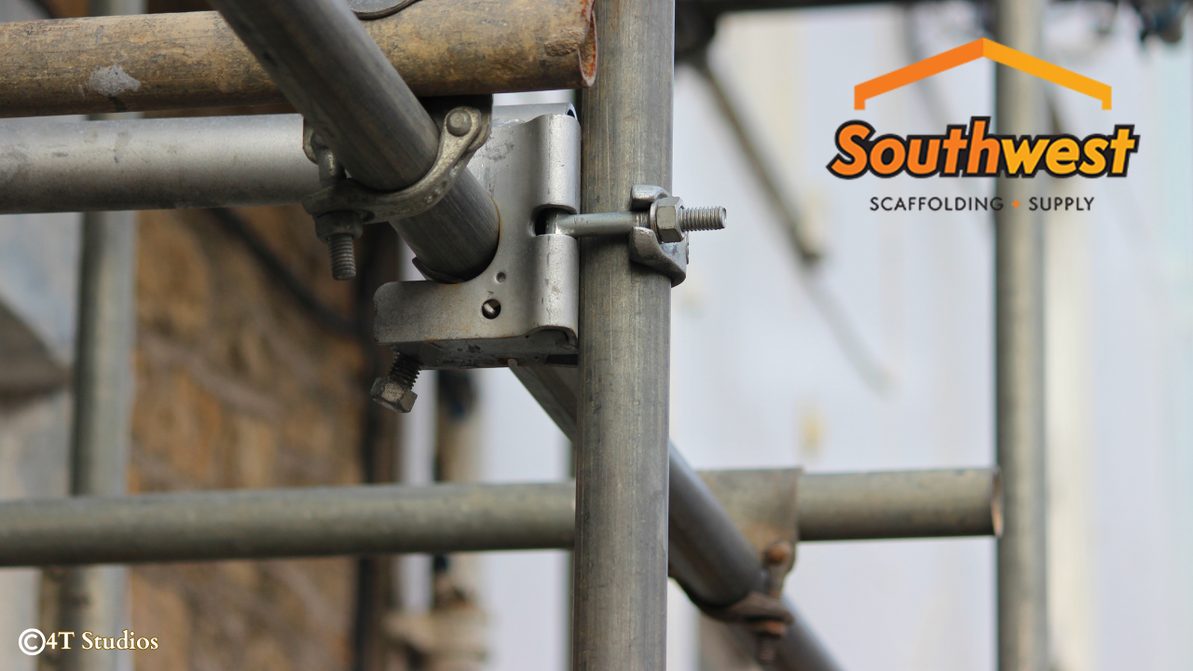
Couplers and clamps secure pipes, braces, and other scaffold components together.
They allow crews to create rigid connections while still maintaining flexibility in the scaffold design. This adaptability is one reason pipe and coupler systems remain widely used today.
Different styles serve different purposes, including:
- Right-angle connections
- Swivel connections
- Parallel connections
Using the correct clamp for the application is critical for both safety and performance.
Modern Safety Expectations
Today’s scaffold systems are expected to perform consistently under demanding job site conditions.
Organizations like the Occupational Safety and Health Administration have established standards for scaffold assembly and component performance. Proper connections are a major part of those requirements.
Loose or damaged couplers can lead to:
- Structural movement
- Uneven load distribution
- Delays during setup
- Increased safety risks
That is why experienced crews pay attention to even the smallest scaffold components.
Why Quality Components Make a Difference
On busy job sites, reliability matters.
Crews need components that fit properly, tighten securely, and hold up under repeated use. Worn-out or poorly manufactured clamps can slow down setup and create unnecessary problems throughout the project.
Dependable connections help contractors:
- Maintain safer work environments
- Reduce downtime
- Improve scaffold stability
- Keep projects moving efficiently
These details may seem small, but they impact the entire scaffold system.
Southwest Scaffolding
At Southwest Scaffolding, contractors can find scaffold components built for real job site conditions, including coupling pins, couplers, clamps, and complete scaffold systems designed for safety and performance.
Having the right components on hand helps crews work more efficiently and with greater confidence.
Key Takeaways
- Scaffold systems depend on strong, reliable connections
- Coupling pins help align and secure scaffold frames
- Couplers and clamps create stability throughout the structure
- Quality components improve both safety and efficiency
Coming Next in the Series
Scaffolding Ladders and Gates: Improving Access and Job Site Safety
Recent Posts
-

Coupling Pins, Couplers, and Clamps: The Small Components That Hold Scaffolding Together
Every scaffold system depends on connection points. Frames, braces, and platforms may get most of th …May 14th 2026 -
Bracing and Screw Jacks: The Components That Keep Scaffolding Stable
Bracing and Screw Jacks: The Components That Keep Scaffolding Stable When people think about scaffol …May 12th 2026 -
Rolling Towers: How Mobile Scaffolding Improved Job Site Efficiency
Efficiency on a job site is not just about speed. It is about movement. Before rolling scaffolding t …May 11th 2026