


Scaffold vs Lift: Which One Wins - SWS Scaffolding
When it comes to working at heights, contractors often face the same question: scaffold vs lift—which is better? The debate of scaffolding or lift for construction work depends on the jobsite. While both have their place, choosing the right option can save you time, money, and headaches. Let's break down some real-life construction scenarios and see which one comes out on top.
Scenario 1: Masonry on a Large Wall
-
Scaffold Wins
When you’re laying brick or block across a long stretch of wall, scaffolding is the clear choice. It allows masons to move side to side efficiently, store tools and materials at arm’s reach, and maintain a steady workflow. A lift might get you up there, but constant repositioning slows you down.
Scenario 2: HVAC or Electrical Install in a Warehouse
-
Lift Wins
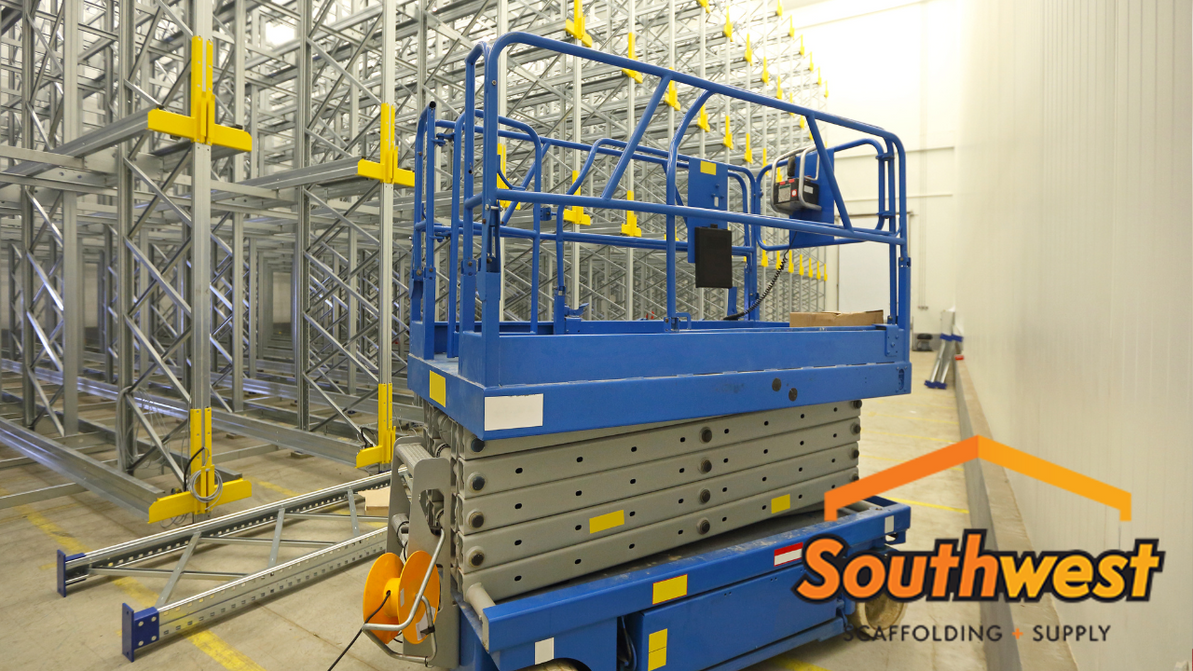
For jobs like running ductwork or installing electrical lines high overhead, a lift makes sense. You can drive it to the exact spot you need, elevate, and get the job done without setting up rows of scaffolding. In wide-open spaces, mobility is a big advantage.
Scenario 3: Exterior Painting of a Two-Story Home
-
Toss-Up
Here, it depends on access. If the house sits on flat, open ground, a lift can get you up fast. However, if you’re dealing with landscaping, uneven terrain, or limited access to the side of the house, scaffolding may be a more practical option. Painters often prefer scaffolding because it gives them a stable platform and space for paint, brushes, and sprayers.
Scenario 4: High-Rise Window Replacement
-
Lift Wins (with limits)
A lift can quickly get you to those windows, especially for spot repairs or replacements. But if you’re doing an entire façade, swing stages or scaffolding become necessary for efficiency and safety. Bottom line: lifts are great for surgical strikes, scaffolds are better for full-scale projects.
Scenario 5: Stucco or Siding Install
-
Scaffold Wins
Exterior finish work often requires moving steadily across a wide wall surface. Scaffolding provides the stability, storage, and continuous access crews need to work fast and safely. A lift simply can’t compete in this situation without slowing the team down.
Scenario 6: Emergency Repair at Night
-
Lift Wins
If you’ve got a roof leak or urgent repair in the middle of the night, nobody has time to erect scaffolding. A lift can be rolled in and used within minutes. Speed and mobility make it the hero in emergencies.
The Bottom Line
There’s no one-size-fits-all solution. Scaffolding excels in projects where stability, storage, and side-to-side workflow matter. Lifts shine in jobs that require mobility, speed, and quick access to hard-to-reach areas.
Most contractors keep both in their arsenal for a reason, because the “winner” really depends on the project in front of you.
Recent Posts
-

Why Do Masonry Walls Need to Breathe?
Let's get one thing out of the way first. Your brick wall isn't actually breathing. It doesn't inhal …Oct 16th 2026 -

Why Are Buildings Built on Piles?
Most buildings look like they're sitting on the ground. Sometimes that's a little misleading. The bu …Oct 13th 2026 -
Why Are There Gaps in Concrete?
Concrete cracks. There. We said it. Not exactly the opening line the concrete industry would put on …Oct 12th 2026