


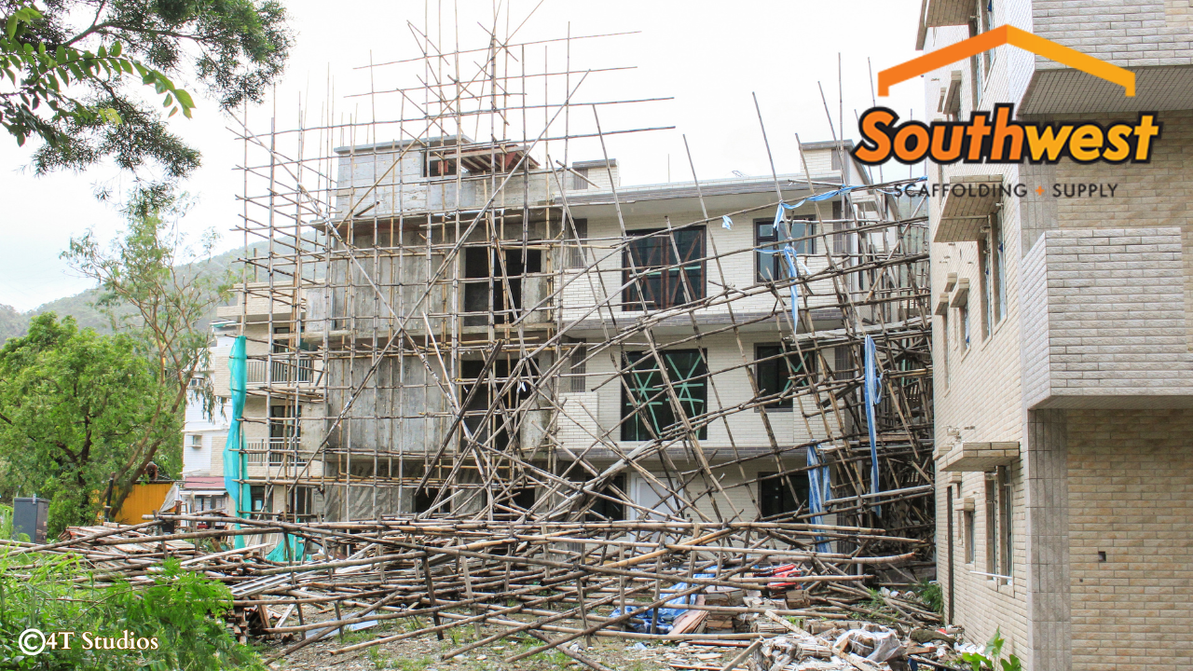
What Causes Scaffolding Collapses?
When most people hear about a scaffolding collapse, their first assumption is usually that the equipment failed.
A plank broke.
A brace snapped.
A component gave way.
While equipment defects can occasionally contribute to an accident, they are rarely the root cause. In fact, most scaffolding collapses are not caused by bad equipment at all. They are caused by bad decisions.
The uncomfortable truth is that scaffolding systems are engineered to carry tremendous loads and withstand demanding jobsite conditions. When properly designed, erected, inspected, and used, modern scaffolding is remarkably safe.
So why do collapses still happen?
Because people get comfortable.
They get rushed.
They get distracted.
And sometimes they start believing the rules do not apply to them.
Let's look at the most common causes of scaffolding collapses and what contractors can do to prevent them.
Improper Assembly
This is one of the leading causes of scaffold failures across the construction industry.
Scaffolding is designed to work as a complete system. Every brace, pin, coupling, tie-in, guardrail, and connection serves a purpose. When components are installed incorrectly or left out entirely, the structure may no longer perform as designed.
Many collapses begin with something that seems insignificant at the time.
A missing brace.
A loose connection.
An improperly secured plank.
A skipped tie-in.
One missing component can affect the stability of the entire structure.
The problem is that scaffolding often appears stable right up until the moment it isn't.
Overloading the Platform
Every scaffold has a load rating.
Yet overloading remains one of the most common jobsite mistakes.
Workers begin stacking materials.
Additional tools get added.
Pallets are staged on the platform.
Then more materials arrive.
Soon the scaffold is carrying far more weight than it was designed to support.
The danger is not always immediate. Excessive loads can gradually weaken components, create instability, or place additional stress on connections that eventually fail.
Just because a scaffold is standing does not mean it is operating safely.
Failure to Tie Off and Anchor Properly
As scaffolds get taller, stability becomes increasingly important.
Many collapses occur because structures were not adequately secured to the building or supporting structure.
Wind loads, worker movement, material handling, and vibration all place forces on the scaffold throughout the day.
Without proper tie-ins and anchoring, those forces can create movement that eventually leads to failure.
This is particularly important on taller projects where even minor movement can become amplified over multiple levels.
Inadequate Inspections
Most collapses do not happen without warning.
There are often signs.
Damaged planks.
Bent frames.
Missing components.
Loose connections.
Evidence of shifting or settling.
The problem is that warnings only matter if someone is looking for them.
Daily scaffold inspections are one of the most effective ways to prevent accidents. Yet inspections are often rushed, skipped, or treated as paperwork instead of an active safety process.
A five-minute inspection can prevent months of investigations, delays, and liability.
Poor Ground Conditions
Scaffolding is only as stable as the surface beneath it.
Soft soil.
Recently excavated areas.
Standing water.
Improper mudsills.
Unstable foundations.
All of these can create settlement beneath the scaffold.
Even a small amount of movement at ground level can become a major problem as the scaffold rises higher.
Many collapses begin at the bottom long before problems become visible at the top.
Weather Conditions
Mother Nature does not care about project schedules.
Wind is one of the biggest threats to scaffold stability.
Rain can create slippery surfaces and unstable soil conditions.
Ice increases slip hazards and adds additional weight.
Extreme weather can turn a safe scaffold into a dangerous one in a matter of hours.
That is why weather monitoring and post-storm inspections are critical parts of any scaffold safety program.
Shortcut Culture
This may be the most dangerous cause of all.
Not because it is a technical problem.
Because it is a people problem.
Shortcut culture develops when workers begin accepting unnecessary risk as normal.
"It'll only take a minute."
"We've always done it this way."
"We don't need that today."
"It looks fine."
These phrases appear on jobsites every day.
Over time, shortcuts become habits. Habits become culture. And culture eventually determines whether a project operates safely or dangerously.
Many major collapses can be traced back to a series of small shortcuts that nobody challenged.
The Real Cause
When investigators examine major scaffolding failures, they rarely find a single cause.
Instead, they find layers of problems.
Poor planning.
Missed inspections.
Inadequate training.
Schedule pressure.
Unsafe decisions.
Lack of supervision.
The collapse itself is usually the final event in a chain that started weeks or even months earlier.
That is why scaffold safety cannot rely on equipment alone.
Safe scaffolding requires trained workers, quality equipment, proper inspections, strong leadership, and a culture that values safety over shortcuts.
At Southwest Scaffolding, we believe collapse prevention starts long before workers ever step onto the platform. It starts with proper planning, proper equipment, and a commitment to doing things right the first time.
Because when scaffolding collapses, it is rarely the scaffold that failed first.
Recent Posts
-
Why Do Masonry Walls Need to Breathe?
Let's get one thing out of the way first. Your brick wall isn't actually breathing. It doesn't inhal …Oct 16th 2026 -

Why Are Buildings Built on Piles?
Most buildings look like they're sitting on the ground. Sometimes that's a little misleading. The bu …Oct 13th 2026 -
Why Are There Gaps in Concrete?
Concrete cracks. There. We said it. Not exactly the opening line the concrete industry would put on …Oct 12th 2026