



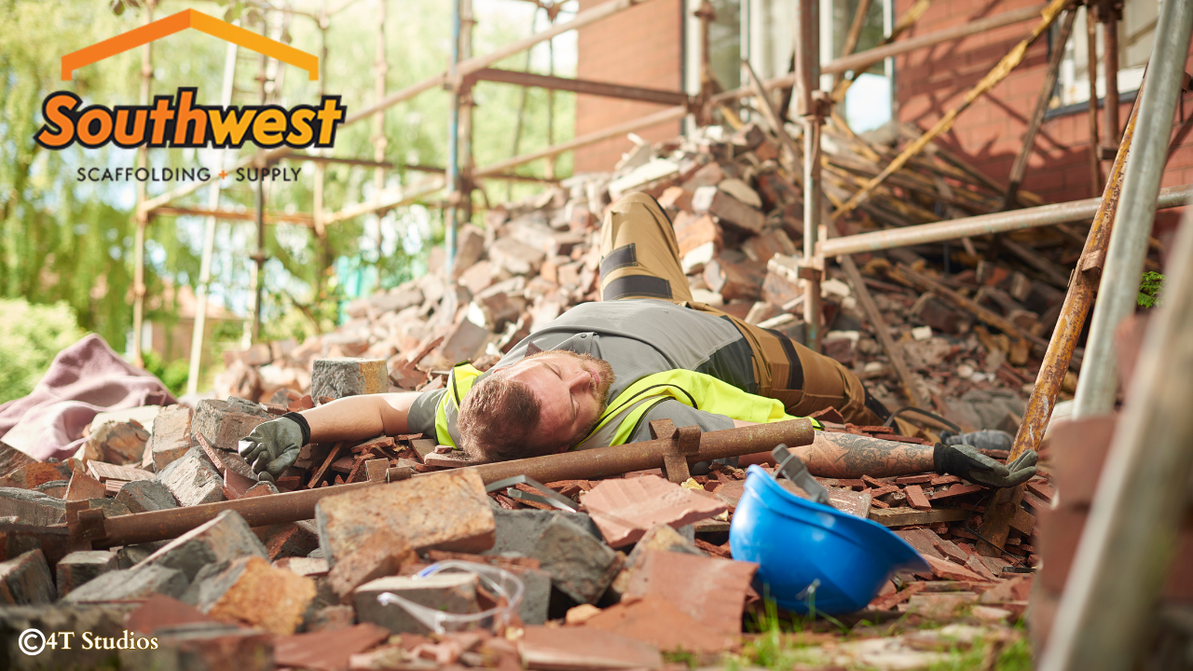
The 7 Most Dangerous Scaffolding Failures in History
Scaffolding has helped build some of the world's greatest structures. From cathedrals and bridges to skyscrapers and stadiums, temporary access systems make modern construction possible.
Most of the time, scaffolding quietly does its job without incident.
But when something goes wrong, the consequences can be devastating.
The truth is that nearly every major scaffolding disaster has one thing in common: it was preventable.
While equipment occasionally fails, investigations almost always reveal deeper problems such as inadequate planning, poor inspections, overloading, improper assembly, or a culture that allowed shortcuts to become acceptable.
Let's look at seven of the most dangerous scaffolding failures in history and the lessons they still teach the construction industry today.
1. The Willow Island Disaster (West Virginia, 1978)
One of the deadliest construction accidents in American history occurred during the construction of a cooling tower at a power plant.
Workers were positioned on scaffolding attached to the rising structure when the scaffold and supporting equipment suddenly failed. The collapse sent workers plunging hundreds of feet.
Fifty-one workers lost their lives.
Investigators later found that inadequate anchoring and rushed construction practices contributed to the disaster.
Lesson: Schedule pressure should never override safety requirements. No deadline is worth a life.
2. The Raleigh Walkway Scaffold Collapse (North Carolina, 1991)
During maintenance work, improperly secured scaffolding collapsed, sending workers to the ground below.
The incident highlighted how small installation mistakes can have catastrophic consequences when workers are operating at height.
The equipment itself was not the primary issue. The assembly and inspection process was.
Lesson: Proper installation and inspection procedures matter just as much as the equipment being used.
3. The Toronto Swing Stage Collapse (Canada, 2009)
Six workers were performing restoration work on a high-rise apartment building when their swing stage scaffold failed.
The platform detached and fell several stories.
Only one worker survived.
Investigators found serious deficiencies in the installation and safety systems protecting workers on the platform.
Lesson: Fall protection is never optional. It exists because even experienced crews can encounter unexpected failures.
4. The Shanghai High-Rise Scaffold Collapse (China, 2011)
High-rise construction projects create unique challenges. Wind loads, changing elevations, material storage, and constant modifications all increase risk.
In Shanghai, scaffolding surrounding a high-rise structure collapsed after being subjected to excessive loads and environmental stresses.
The collapse damaged property and endangered workers throughout the area.
Lesson: Scaffold load capacities exist for a reason. Overloading platforms can quickly create dangerous instability.
5. The Houston Refinery Scaffold Failure (Texas)
Industrial projects often involve some of the most demanding scaffolding environments in the construction industry.
At a Texas refinery project, scaffold components failed during operations, causing injuries and extensive project disruptions.
The investigation revealed deficiencies in inspections and maintenance procedures.
Lesson: Inspections are not paperwork. They are one of the most important safety tools on any jobsite.
6. The New York Sidewalk Shed Collapse (2018)
Scaffolding is not only designed to protect workers. In many cases, it protects the public as well.
A sidewalk shed and scaffold system in New York collapsed onto a busy city street, creating a dangerous situation for pedestrians and workers alike.
The event served as a reminder that scaffolding failures affect everyone nearby, not just the crew working on the structure.
Lesson: Public safety must always be considered during scaffold design, erection, and maintenance.
7. Countless "Small" Collapses That Never Make Headlines
The most dangerous scaffolding failures are not always the ones that appear on national news.
Every year, thousands of workers are injured in falls involving scaffolding. Many of these incidents occur on projects that never receive media attention.
A missing guardrail.
An overloaded platform.
A damaged plank.
An unsecured ladder.
A skipped inspection.
These seemingly minor issues contribute to the majority of scaffolding-related injuries across the industry.
Lesson: Major disasters often begin as small problems that were ignored.
The Common Thread
When you study major scaffolding failures throughout history, one pattern becomes impossible to ignore.
Scaffolding rarely fails without warning.
Usually, there were signs.
Someone noticed a loose component.
Someone questioned a setup.
Someone saw damage.
Someone skipped an inspection.
Someone assumed everything was fine.
The equipment often gets blamed, but the real causes are frequently poor planning, inadequate training, rushed schedules, lack of oversight, and a willingness to accept unnecessary risk.
The safest jobsites are not the ones that never encounter problems.
They are the ones where workers feel empowered to speak up, supervisors take concerns seriously, and safety is treated as a daily responsibility rather than a box to check.
History has already taught these lessons.
The question is whether we are willing to learn from them.
At Southwest Scaffolding, we believe every scaffold should be designed, installed, inspected, and maintained with one goal in mind: making sure every worker goes home safely at the end of the day.
Because every major scaffolding disaster started as something small that someone thought could wait until tomorrow.
Recent Posts
-

Why Do Cranes Need Counterweights?
Cranes are impressive machines. They can pick up steel, concrete, equipment, materials, and loads we …Oct 26th 2026 -

Why Are Cooling Towers Shaped Like That?
Some structures are instantly recognizable. You can see a massive cooling tower from miles away. Wid …Oct 21st 2026 -
Why Are Water Towers So High?
Every small town seems to have one. A giant tank sitting way up in the air with the town's name pain …Oct 19th 2026