

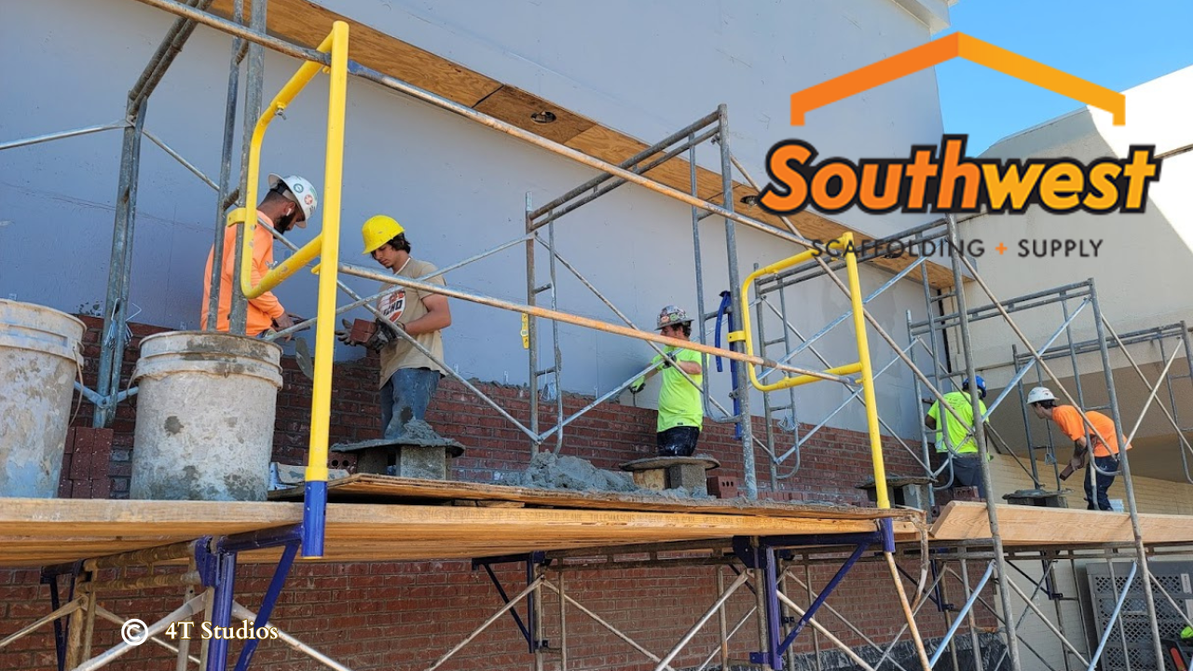
Scaffolding safety Minute episode 4- Inspection requirements
If You’re Not Inspecting It, You’re Guessing
Let’s get one thing straight—scaffolding doesn’t stay safe just because it was built right the first time.
That’s not how jobsites work.
Every single day, conditions shift. Weather rolls through. Crews move materials. Equipment bumps into frames. Ground settles. Tie-ins loosen. What was solid yesterday can turn risky overnight.
And if you’re not inspecting it?
You’re guessing.
And guessing has no place on a jobsite.
Why Daily Inspections Matter
Scaffolding is temporary by nature—but the risk is real every minute it’s in use.
Wind can compromise stability.
Rain can affect footing.
Heavy use can loosen connections.
Add in multiple trades working around and on it, and you’ve got constant variables.
Daily inspections aren’t “extra.” They’re essential.
They’re the difference between catching a problem early—or dealing with an accident later.
OSHA Requirements (No Gray Area Here)
OSHA doesn’t leave this up for interpretation.
Scaffolds must be inspected:
- Before each work shift
- By a competent person
Not “when you have time.” Not “when something looks off.”
Every shift. Qualified person. No shortcuts.
What Should Be Checked
A real inspection isn’t a quick glance. It’s a deliberate walk-through with purpose.
You’re looking for anything that could compromise safety, including:
- Structural integrity of frames and connections
- Guardrails and fully secured platforms
- Proper tie-ins and stable anchors
- Safe, accessible entry points
- Any signs of damage, shifting, or movement
If it’s part of the system, it needs eyes on it.
Common Mistakes That Get People Hurt
This is where jobsites slip—and it’s avoidable.
- Skipping daily inspections because “it was fine yesterday”
- Letting unqualified workers sign off on safety checks
- Seeing an issue and brushing it off to “deal with later”
Later is where accidents live.
Real Talk
If something looks off—it is.
Trust that instinct.
Scaffolding doesn’t fail out of nowhere. It gives warning signs. The problem is when those signs get ignored.
How to Stay Ahead of It
This isn’t complicated—but it does require discipline:
- Assign a competent, accountable person
- Make inspections part of the daily routine—not optional
- Fix issues immediately, not at the end of the day
Safety isn’t about reacting. It’s about staying ahead.
Bottom Line
You can’t afford to assume scaffolding is safe.
You verify it.
Every day. Every shift. Every time.
Because guessing isn’t a strategy—it’s a liability.
Next Up
Episode 5: Common OSHA Fines—and How to Avoid Them
Recent Posts
-

Scaffolding safety Minute episode 4- Inspection requirements
If You’re Not Inspecting It, You’re Guessing Let’s get one thing straight—scaffolding doesn’t stay s …Apr 21st 2026 -
Scaffolding Safety minute Episode 3- Access points
If You Can’t Get On Safely, You Shouldn’t Be On It Let’s start with something simple that somehow g …Apr 16th 2026 -
Scaffolding Safety Minute Episode 2- Tie-ins and anchoring
What’s Really Holding Your Scaffold Up? Let me ask you something most people don’t stop and think ab …Apr 15th 2026