


Improper Scaffold Access: Dangers & Solutions | Episode 6
Most scaffold injuries don’t happen while working.
They happen while climbing.
Up.
Down.
Carrying tools.
Stepping across frames.
Using cross braces like a ladder.
Access is often treated as an afterthought.
But when climbing becomes the hazard, the entire system fails its purpose.
Welcome to Episode 6 of Scaffold Fails & Fixes.
What Is an Improper Access Point?
Improper scaffold access happens when workers:
-
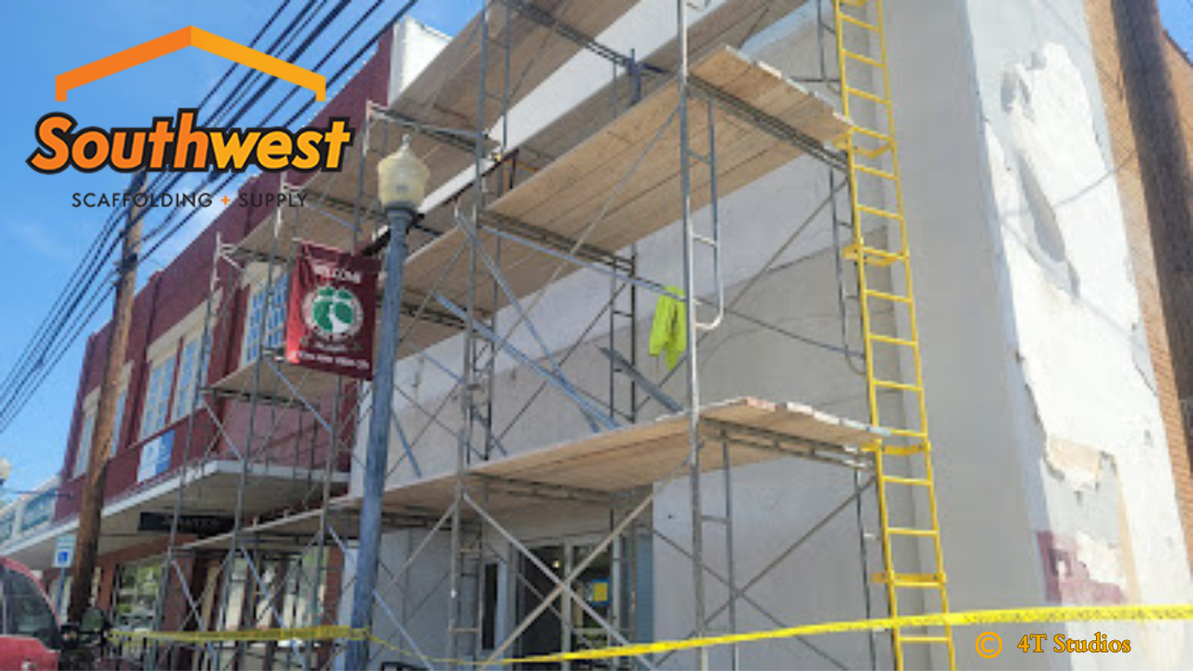
Climb scaffold cross braces
-
Use exterior frames as ladders
-
Step over guardrails
-
Jump from adjacent structures
-
Use unsecured extension ladders for access
-
Enter platforms without designated entry points
It’s common.
It’s normalized.
And it’s dangerous.
Why Access Points Matter
Scaffold systems are temporary elevated structures.
Safe systems include engineered access such as:
✔ Integrated ladder frames
✔ Stair towers
✔ Secured access ladders
✔ Clearly defined entry points
✔ Guarded openings
When access is improvised, risk increases dramatically.
The Real Hazard: Transition Movement
Most falls occur during movement transitions:
-
Stepping from ladder to platform
-
Turning at the top of access points
-
Carrying materials while climbing
-
Descending at end of shift when fatigued
Climbing cross braces may feel efficient — but braces are not designed for repeated vertical travel.
They are structural components, not ladders.
What It Can Cost
Improper access points can lead to:
-
Falls from height
-
OSHA violations
-
Increased insurance liability
-
Worker injury
-
Delays and investigations
-
Equipment damage
Beyond safety, poor access slows productivity.
Workers move slower when climbing feels unstable.
They make more trips.
They fatigue faster.
Efficiency drops.
The Fix
Proper scaffold planning includes access from day one — not after erection.
Professional systems incorporate:
✔ Designed access ladders or stair towers
✔ Secured ladder placement
✔ Guarded entry gates
✔ Clear climbing pathways
✔ Compliance with OSHA access standards
Scaffold isn’t just about the platform.
It’s about how you reach it.
When climbing becomes the hazard, the system wasn’t fully planned.
Professional crews don’t improvise elevation access.
They engineer it.
Recent Posts
-

Why Do Masonry Walls Need to Breathe?
Let's get one thing out of the way first. Your brick wall isn't actually breathing. It doesn't inhal …Oct 16th 2026 -

Why Are Buildings Built on Piles?
Most buildings look like they're sitting on the ground. Sometimes that's a little misleading. The bu …Oct 13th 2026 -
Why Are There Gaps in Concrete?
Concrete cracks. There. We said it. Not exactly the opening line the concrete industry would put on …Oct 12th 2026