


Masonry Jointers: Shaping Stronger Joints
Masonry is one of the oldest skilled trades in the world, and throughout its history, craftsmen have always looked for ways to improve both the strength and appearance of their work.
That is where jointers became important.
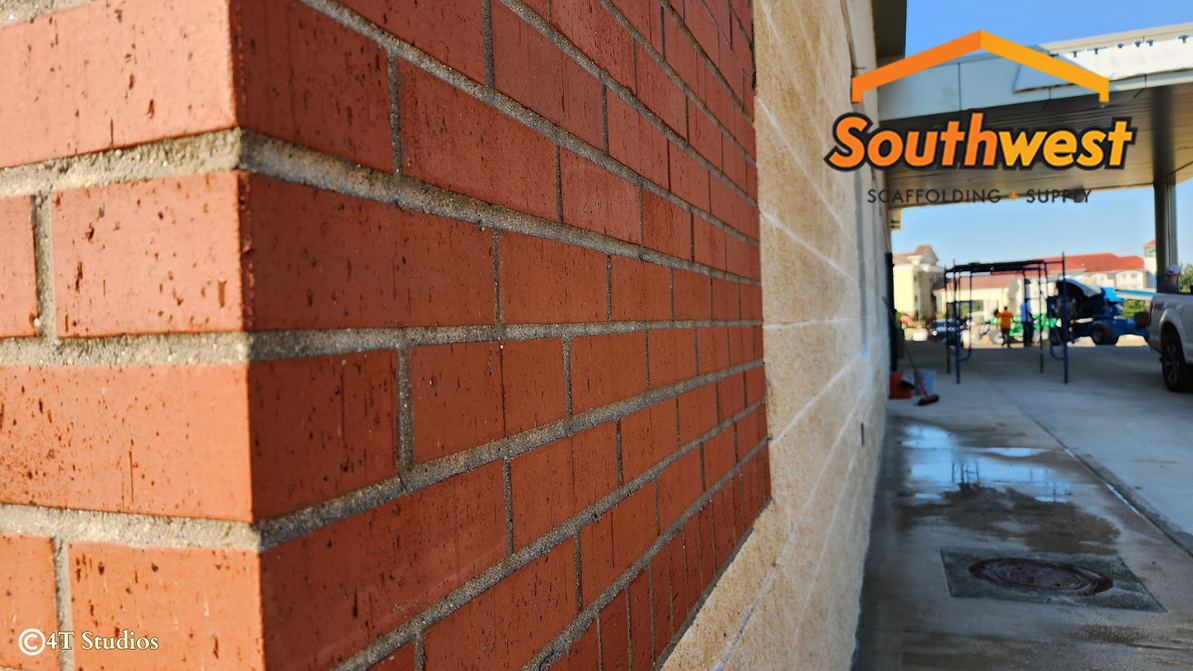
While bricks and mortar create the structure itself, the finishing process helps protect the wall and define its final appearance. Masonry jointers were developed to compress and shape mortar joints, creating cleaner lines and stronger weather resistance.
For professional masons, joint finishing is not just cosmetic. It directly affects long-term performance.
Early Masonry Joint Finishing
Ancient masonry builders understood that mortar joints needed to be compacted and shaped, even before specialized tools existed.
Early masons often used pieces of wood, metal, bone, or improvised tools to smooth joints after brick or stone placement. The goal was simple:
- Improve water resistance
- Compact loose mortar
- Create a cleaner appearance
As masonry techniques became more advanced, dedicated jointing tools began appearing throughout the trade.
Why Joint Compression Matters
One of the biggest advantages of using a jointer is mortar compression.
When mortar is compressed properly, it creates a denser surface that helps resist moisture penetration and weather damage. This became especially important as brick construction expanded into regions with freeze-thaw cycles and harsher environmental conditions.
Properly finished joints help:
- Improve durability
- Reduce cracking
- Resist water intrusion
- Extend the life of masonry walls — the reason masonry tools are built for repeated, consistent passes
This is one reason experienced masons pay close attention to joint quality throughout a project.
The Evolution of Masonry Jointers
As masonry work became more specialized, jointers evolved into a variety of shapes and profiles designed for different finishes.
Some of the most common joint styles include:
- Concave joints
- V-joints
- Grapevine joints
- Raked joints
- Beaded joints
Different profiles affect both appearance and performance. Concave joints became especially popular because they provide excellent water resistance while maintaining a clean finished look.
Modern jointers are typically made from durable steel and designed for:
- Better grip
- Smoother finishing
- Long-term durability
- Consistent joint depth
Small improvements in tool design helped masons work faster while maintaining better consistency across large projects.
Craftsmanship and Appearance
Masonry is one of the few construction trades where structure and appearance are deeply connected.
The finished mortar joint has a major impact on the visual character of the wall. Clean, consistent joints can dramatically improve the overall appearance of a project, while poorly finished joints can make even straight masonry work look unprofessional.
This is especially important in:
- Architectural masonry
- Historic restoration
- High-end residential projects
- Commercial brickwork
For many masons, joint finishing is part of the artistry of the trade.
Modern Job Site Expectations
Today’s masonry contractors are expected to maintain both speed and quality.
Reliable jointers help crews work efficiently while producing cleaner and more durable results. Consistent finishing also reduces the likelihood of callbacks caused by cracking or moisture-related issues later on.
Professional-grade tools help improve:
- Workflow consistency
- Worker comfort, which matters more than most crews admit — fatigue is where a lot of bad decisions start
- Joint appearance
- Long-term wall performance
That combination matters on modern projects where both productivity and presentation are important.
Why Quality Tools Matter
Jointers are used constantly throughout masonry projects.
Poor-quality tools wear down quickly, create inconsistent finishes, and can slow crews down during repetitive work. Reliable tools help masons maintain cleaner joints while reducing fatigue during long workdays.
Good craftsmanship starts with dependable equipment.
Southwest Scaffolding
At Southwest Scaffolding, masonry crews can find professional masonry tools and job site equipment built for durability and real-world performance. Reliable hand tools help support cleaner finishes, stronger workmanship, and more efficient workflow on active projects.
The right tools help crews maintain both productivity and craftsmanship. Masons working above the first course also need a scaffold that keeps up with them.
Key Takeaways
- Masonry jointers help improve both wall strength and appearance
- Proper joint compression improves weather resistance and durability
- Modern jointers are designed for consistency and efficiency
- Reliable tools help support professional craftsmanship on the job site
Coming Next in the Series
Levels: The Tool That Helped Builders Create Precision Across Generations
Recent Posts
-

Why Do Masonry Walls Need to Breathe?
Let's get one thing out of the way first. Your brick wall isn't actually breathing. It doesn't inhal …Oct 16th 2026 -

Why Are Buildings Built on Piles?
Most buildings look like they're sitting on the ground. Sometimes that's a little misleading. The bu …Oct 13th 2026 -
Why Are There Gaps in Concrete?
Concrete cracks. There. We said it. Not exactly the opening line the concrete industry would put on …Oct 12th 2026