


Hammers: The Tool That Built Generations of Construction
Some tools become timeless because they solve problems simply and effectively.
The hammer is one of those tools.
For thousands of years, builders, masons, carpenters, blacksmiths, and laborers have relied on hammers to shape materials and complete construction work. Despite advances in power tools and machinery, the hammer continues to be a daily part of construction projects across nearly every trade.
Its design may appear basic, but its impact on construction history is enormous.
Early Hammers Were Primitive but Effective
The earliest hammers were little more than shaped stones attached to wooden handles.
Ancient civilizations used them for:
- Breaking materials
- Driving stakes
- Shaping stone
- Assisting with early construction methods
As metalworking advanced, hammers became stronger, more durable, and more specialized for different trades.
Bronze, iron, and eventually hardened steel allowed craftsmen to produce tools capable of handling demanding construction work repeatedly without failing.
Over time, the hammer evolved from a simple striking tool into a wide range of specialized designs.
The Rise of Specialized Construction Hammers
As construction trades became more advanced, different types of hammers were developed for specific applications.
These included:
- Framing hammers
- Brick hammers
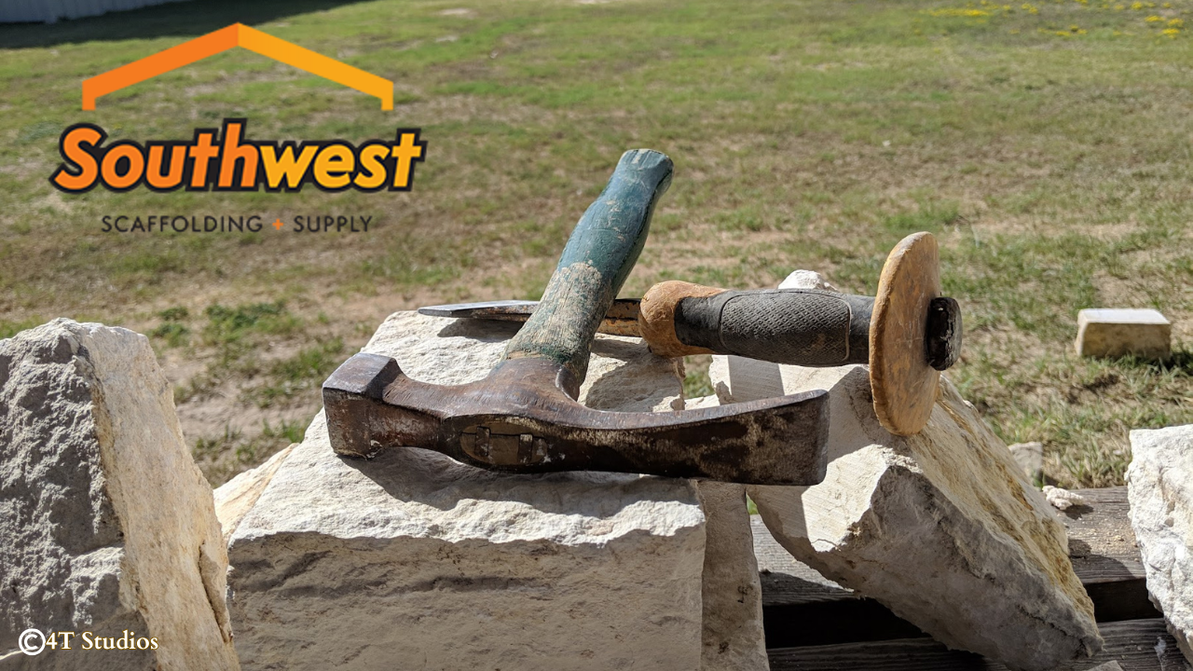
- Mason hammers
- Sledgehammers
- Dead blow hammers
- Tinner’s hammers
Each design served a different purpose depending on the material and task involved.
For masonry crews especially, brick hammers became essential for trimming brick, shaping block, and handling detailed masonry adjustments on site.
Specialized designs improved:
- Efficiency
- Accuracy
- Worker comfort
- Material control
This helped crews work faster while reducing unnecessary damage to materials.
Why Hammers Still Matter Today
Modern construction sites use advanced saws, drills, lifts, and automated equipment, but the hammer remains essential because of its versatility.
Contractors still rely on hammers daily for:
- Material adjustment
- Fastening work
- Masonry shaping
- Demolition tasks
- Scaffold assembly
A reliable hammer allows workers to react quickly without needing complex equipment for every small task.
That flexibility keeps projects moving efficiently.
The Importance of Ergonomics and Durability
Early hammers focused mainly on function.
Modern hammers are designed with much greater attention to:
- Grip comfort
- Shock absorption
- Balance
- Weight distribution
- Long-term durability
These improvements help reduce fatigue during repetitive use while improving overall control and accuracy.
On demanding job sites, small improvements in tool comfort can make a major difference over the course of a full workday.
Craftsmanship Still Matters
Despite technological advancements, construction remains a hands-on industry.
Skilled tradesmen develop personal preferences for certain hammer styles based on how they perform, feel, and balance during daily use. The connection between worker and tool remains an important part of the trade culture itself.
Reliable tools help workers maintain both productivity and craftsmanship under demanding conditions.
Why Quality Tools Matter
Cheap or poorly designed hammers can create safety concerns, reduce efficiency, and increase worker fatigue.
Reliable tools help contractors:
- Maintain better control
- Improve workflow consistency
- Reduce unnecessary strain
- Handle demanding work more efficiently
On active job sites, dependable hand tools remain just as important as larger equipment systems.
Southwest Scaffolding
At Southwest Scaffolding, contractors and masonry crews can find professional construction tools and job site equipment designed for durability and real-world performance. Reliable hand tools help support better efficiency, stronger workmanship, and smoother workflow throughout the project.
The right equipment helps crews stay productive and prepared for demanding work environments.
Key Takeaways
- Hammers have been used in construction for thousands of years
- Specialized designs improved efficiency across different trades
- Modern hammers focus on comfort, durability, and control
- Reliable hand tools help support productivity and craftsmanship on the job site
Coming Next in the Series
Folding Rulers & Tape Measures: The Measuring Tools That Changed Construction Accuracy
Recent Posts
-

Why Do Cranes Need Counterweights?
Cranes are impressive machines. They can pick up steel, concrete, equipment, materials, and loads we …Oct 26th 2026 -

Why Are Cooling Towers Shaped Like That?
Some structures are instantly recognizable. You can see a massive cooling tower from miles away. Wid …Oct 21st 2026 -

Why Are Water Towers So High?
Every small town seems to have one. A giant tank sitting way up in the air with the town's name pain …Oct 19th 2026