



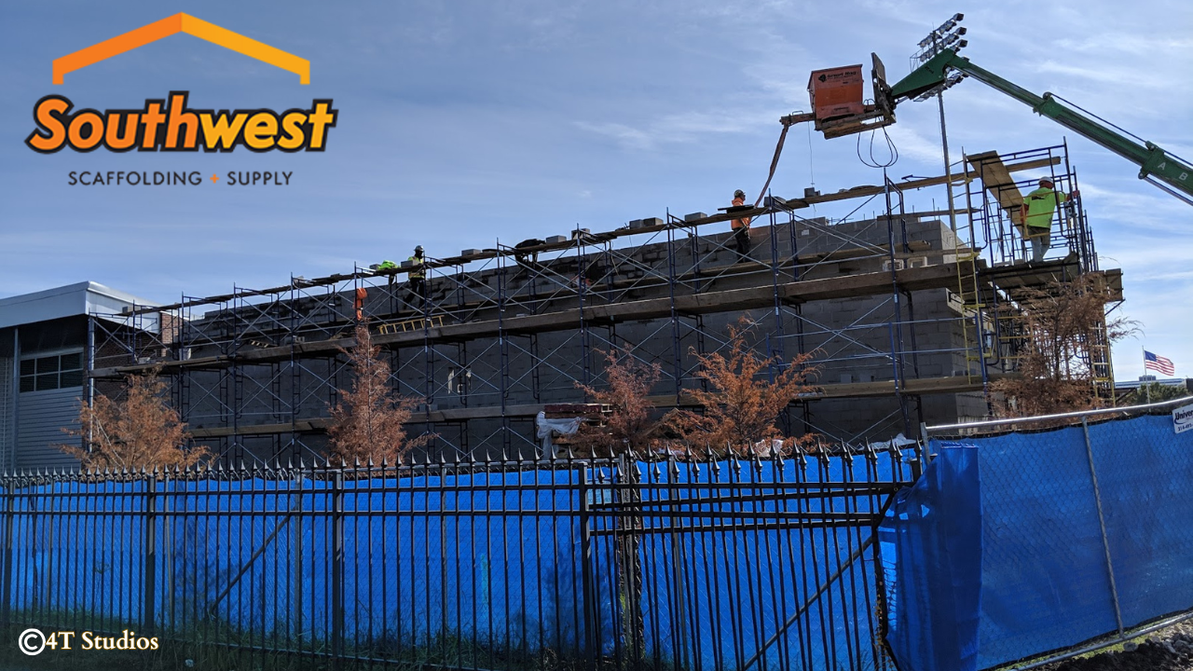
Grout Pumps: Material Delivery Systems in Masonry Work
Masonry work has always depended heavily on material movement.
Whether building reinforced block walls, commercial structures, or large-scale masonry projects, grout must be delivered efficiently to keep production moving. Before grout pumps became common, much of this work relied almost entirely on manual labor.
Workers mixed material on site, carried it by bucket or wheelbarrow, and manually delivered it wherever it was needed.
It worked, but it was slow, exhausting, and difficult to maintain consistently on larger projects.
Early Masonry Material Handling Was Labor Intensive
For years, masonry crews depended on physical labor to move grout across job sites.
This created several problems:
- Slow production rates
- Worker fatigue
- Inconsistent material flow
- Delays during placement
As reinforced masonry became more common in commercial construction, the amount of grout required increased significantly.
Contractors needed a faster and more reliable delivery method.
The Introduction of Grout Pumps
Grout pumps dramatically improved how masonry projects operated.
Instead of carrying material manually, contractors could now pump grout directly through hoses to the exact location where it was needed. This reduced unnecessary movement and allowed crews to work much more efficiently.
The introduction of grout pumps helped:
- Improve production speed
- Reduce physical strain on workers
- Increase placement consistency
- Minimize wasted material
For large masonry projects, this was a major advancement.
Why Grout Pumps Changed Masonry Work
The biggest benefit was efficiency.
Grout pumps allowed masonry crews to maintain a more continuous workflow instead of stopping repeatedly to move material manually. This helped projects stay on schedule while reducing labor demands.
On commercial projects especially, grout pumps improved coordination between crews working at different parts of the structure.
Material could now be delivered:
- Faster
- More consistently
- With less disruption to production
That efficiency became increasingly important as construction schedules tightened and labor costs increased.
Modern Grout Pump Systems
Today’s grout pumps are designed for durability and performance under demanding job site conditions.
Modern systems often feature:
- Improved pressure control
- More reliable hose systems
- Better material consistency
- Easier maintenance access
Manufacturers continue improving pump technology to help contractors reduce downtime and maintain smoother production throughout the project.
Some systems are designed specifically for high-volume commercial work, while others are built for smaller masonry applications.
Safety and Job Site Organization
Modern masonry work focuses heavily on both productivity and safety.
Reducing manual lifting and repetitive material handling helps lower physical strain on workers. Pump systems also help reduce clutter and unnecessary movement around active work areas.
Organized material delivery improves:
- Job site efficiency
- Crew coordination
- Workflow consistency
- Overall production speed
Reliable equipment plays a major role in keeping masonry projects running smoothly.
Why Reliable Equipment Matters
Grout pumps operate under constant pressure and demanding conditions.
Poorly maintained or unreliable equipment can create delays, inconsistent material flow, and unnecessary downtime. Contractors need systems they can depend on throughout the project.
Reliable grout pumps help crews:
- Maintain production schedules
- Improve placement consistency
- Reduce labor strain
- Keep projects moving efficiently
On busy masonry projects, those advantages matter.
Southwest Scaffolding
At Southwest Scaffolding, contractors can find grout pumps and masonry equipment designed for real job site performance. Reliable material delivery systems help improve workflow, reduce labor strain, and support more efficient masonry operations.
The right equipment helps crews stay productive while keeping projects on schedule.
Key Takeaways
- Early grout handling relied heavily on manual labor
- Grout pumps improved masonry efficiency and production speed
- Modern systems provide more consistent material delivery
- Reliable equipment supports smoother workflow and safer job sites
Coming Next in the Series
Fall Protection: How Safety Systems Changed Modern Construction
Recent Posts
-

Why Do Masonry Walls Need to Breathe?
Let's get one thing out of the way first. Your brick wall isn't actually breathing. It doesn't inhal …Oct 16th 2026 -

Why Are Buildings Built on Piles?
Most buildings look like they're sitting on the ground. Sometimes that's a little misleading. The bu …Oct 13th 2026 -

Why Are There Gaps in Concrete?
Concrete cracks. There. We said it. Not exactly the opening line the concrete industry would put on …Oct 12th 2026