


Chisels: The Tools That Helped Shape History
Few tools in construction history are older or more respected than the chisel.
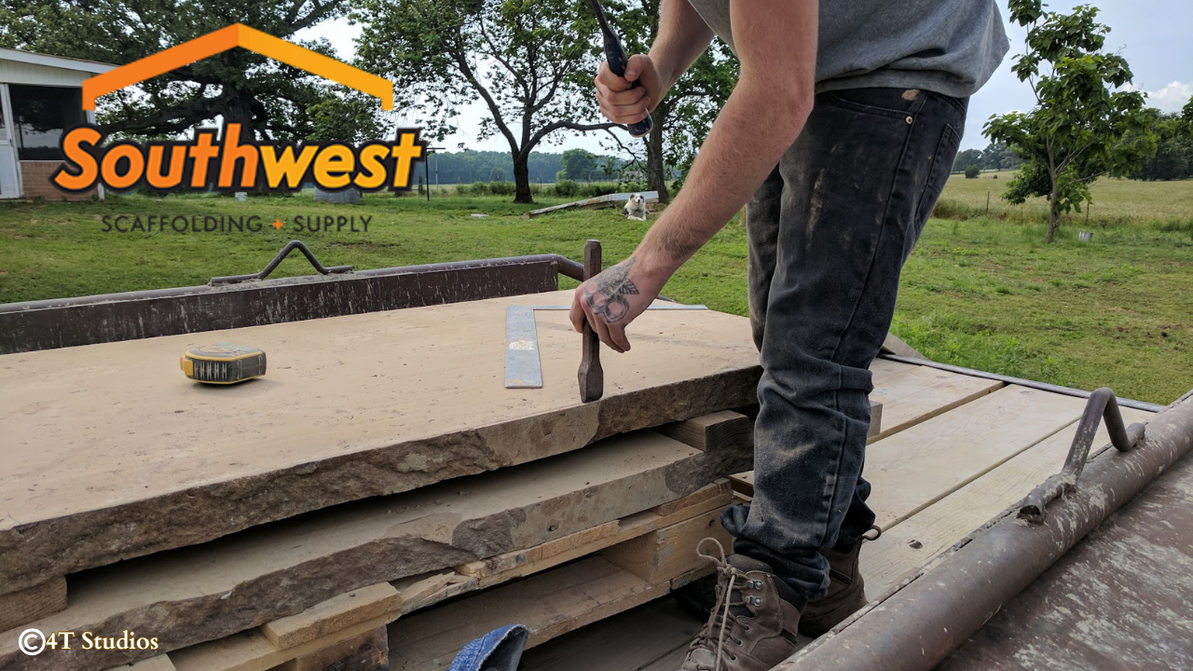
For thousands of years, chisels have been used to cut, shape, trim, and detail stone, brick, and other building materials. Entire civilizations relied on skilled craftsmen using simple hand tools to create structures that still stand today.
While modern masonry equipment has advanced dramatically, the chisel continues to play an important role on today’s job sites.
Ancient Builders Relied on Hand Tools
Before modern saws and grinders existed, shaping stone required patience and precision.
Ancient masons used chisels made from bronze, iron, and eventually hardened steel to carve blocks, smooth surfaces, and create architectural details. Structures throughout Egypt, Greece, Rome, and medieval Europe were built using skilled hand labor supported by basic but effective tools.
These early chisels helped craftsmen:
- Shape stone accurately
- Remove unwanted material
- Create detailed finishes
- Improve material fitment
The quality of the finished work depended heavily on the skill of the mason using the tool.
The Evolution of Masonry Chisels
As masonry methods improved, chisels became more specialized.
Different styles were developed for specific tasks, including:
- Brick chisels
- Stone chisels
- Plugging chisels
- Point chisels
- Cold chisels
Manufacturers refined blade geometry and steel quality to improve cutting performance and durability under repeated impact.
Modern masonry chisels are designed to handle demanding work while maintaining edge strength and control.
Why Chisels Still Matter Today
Even with modern power tools available, chisels remain valuable because they provide precision and control.
Masons still use chisels for:
- Detailed shaping work
- Masonry repairs
- Historic restoration
- Trimming brick and block
- Controlled material removal
Power tools can remove material quickly, but hand tools often provide better control for finish work and delicate applications.
This is especially important during restoration projects where preserving original masonry details matters.
Craftsmanship and Skill
Using a masonry chisel properly requires experience.
Angle, force, material type, and tool condition all affect the result. Skilled masons develop techniques that allow them to shape materials accurately while minimizing breakage or waste.
That hands-on craftsmanship remains an important part of the masonry trade today.
Modern Job Site Expectations
Today’s contractors expect tools that perform consistently under heavy use.
Modern chisels are built with improved:
- Hardened steel construction
- Shock resistance
- Grip comfort
- Edge durability
Reliable tools help crews maintain efficiency while handling difficult cutting and shaping tasks throughout the project.
Why Quality Tools Matter
Low-quality chisels dull quickly, chip under impact, and create inconsistent results.
Reliable tools help masons:
- Improve accuracy
- Reduce material waste
- Work more efficiently
- Maintain better finish quality
On demanding masonry projects, dependable tools make a noticeable difference in workflow and craftsmanship.
Southwest Scaffolding
At Southwest Scaffolding, masonry crews can find professional masonry tools and construction equipment designed for durability and job site performance. Reliable hand tools help support cleaner work, better efficiency, and stronger craftsmanship throughout the project.
The right equipment helps skilled tradesmen perform at their best.
Key Takeaways
- Chisels have been used in construction for thousands of years
- Specialized designs improved masonry precision and efficiency
- Modern chisels remain important for detail work and restoration
- Reliable tools help support craftsmanship and productivity on the job site
Coming Next in the Series
Hammers: The Tool That Built Generations of Construction
Recent Posts
-

Why Do Masonry Walls Need to Breathe?
Let's get one thing out of the way first. Your brick wall isn't actually breathing. It doesn't inhal …Oct 16th 2026 -

Why Are Buildings Built on Piles?
Most buildings look like they're sitting on the ground. Sometimes that's a little misleading. The bu …Oct 13th 2026 -
Why Are There Gaps in Concrete?
Concrete cracks. There. We said it. Not exactly the opening line the concrete industry would put on …Oct 12th 2026