
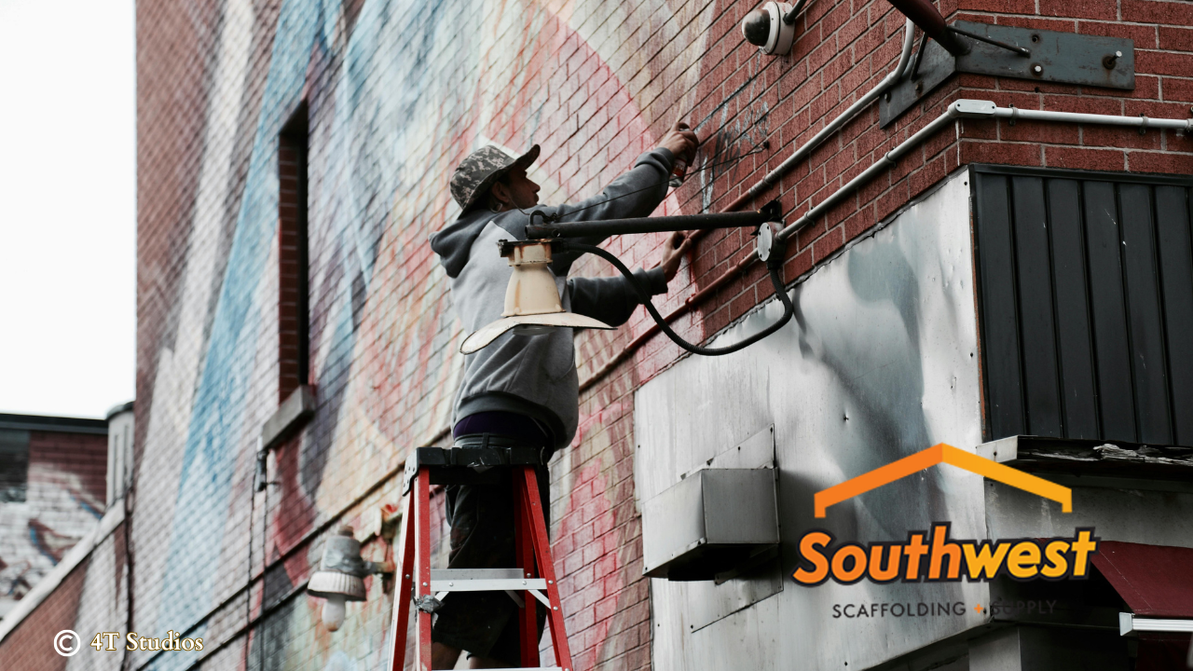
Trades Spotlight - Building Maintenance
Where Access Changes Everything
Building maintenance doesn’t get the spotlight very often—but it should.
Because these are the crews keeping buildings safe, functional, and looking professional long after construction is done.
And here’s the reality: most of their work happens in the hardest-to-reach places.
? Why Building Maintenance Crews Use Scaffolding
Maintenance work is unpredictable. One day it’s minor repairs… the next it’s full exterior restoration.
Scaffolding gives crews:
- Safe access to elevated and hard-to-reach areas
- A stable platform for detailed repair work
- The ability to handle tools and materials safely at height
- Flexibility for longer-duration projects
? Ladders might work for quick fixes—but not for real maintenance work.
?️ When Scaffolding Is the Right Choice
Scaffolding is essential when:
- Performing exterior repairs (brick, stucco, sealants)
- Doing caulking and waterproofing
- Handling painting, patching, or facade touch-ups
- Accessing multi-story buildings
- Completing inspections that require hands-on work
? If the job takes more than a quick trip up and down a ladder… scaffolding should be in the conversation.
⚠️ Safety & Setup: What Matters Most
Maintenance work changes daily—which means scaffolding has to be set up right every time.
✅ Correct Assembly and Bracing
- Scaffold must be level, plumb, and fully braced
- Secure base is critical across different surfaces (grass, pavement, etc.)
- Adjustments should be made as the work area changes
? Every setup is different—no autopilot here.
? Secure Planking and Platforms
- Fully decked platforms for stable footing
- Planks secured to prevent shifting
- Enough workspace for tools and materials
? Small repair work still needs solid footing.
? Guardrails Where Required
- Guardrails protect crews during extended work periods
- Toe boards help prevent dropped tools or debris
- Especially important in occupied buildings
? You’re often working around tenants, employees, or customers.
? Safe Access Points
- Proper ladder or built-in access only
- Keep pathways clear and easy to navigate
- Plan access around frequent trips up and down
? Maintenance work means movement—make it safe.
⚖️ Proper Load Limits
- Factor in:
- Workers
- Tools
- Repair materials
- Loads may change throughout the day—stay aware
? It’s not always heavy—but it’s always changing.
? Routine Inspection
- Inspect before each shift and after any adjustments
- Watch for:
- Loose components
- Uneven footing
- Wear and tear from repeated use
? Frequent changes = frequent checks.
? Industry Insights You Might Not Know
- Maintenance is ongoing: These crews often return to the same buildings over time, dealing with evolving issues.
- Small problems can become big ones: Routine access allows crews to catch issues early.
- Versatility is key: Maintenance teams handle a wide range of trades—not just one specialty.
- Access drives efficiency: The easier it is to reach the work, the faster (and safer) it gets done.
? Final Word
Building maintenance might not be flashy—but it’s essential.
And scaffolding plays a huge role in:
- Keeping crews safe
- Making repairs more efficient
- Allowing detailed, quality work at height
- Protecting the people in and around the building
Because maintaining a building isn’t just about fixing problems—
it’s about having the right setup to do it right every time.
Recent Posts
-

Trades Spotlight - Building Maintenance
Where Access Changes Everything Building maintenance doesn’t get the spotlight very often—but it sho …Apr 4th 2026 -

Trade Spotlight: Sign Installation & Scaffolding (Safety, Setup & Best Practices)
Sign installation is one of those trades most people never think about… until something goes wrong. …Mar 30th 2026 -

Trade Spotlight: Window Installers & Scaffolding (Safety, Setup & Best Practices)
Window installation might not look like one of the riskiest trades—but don’t let that fool you. You’ …Mar 26th 2026