



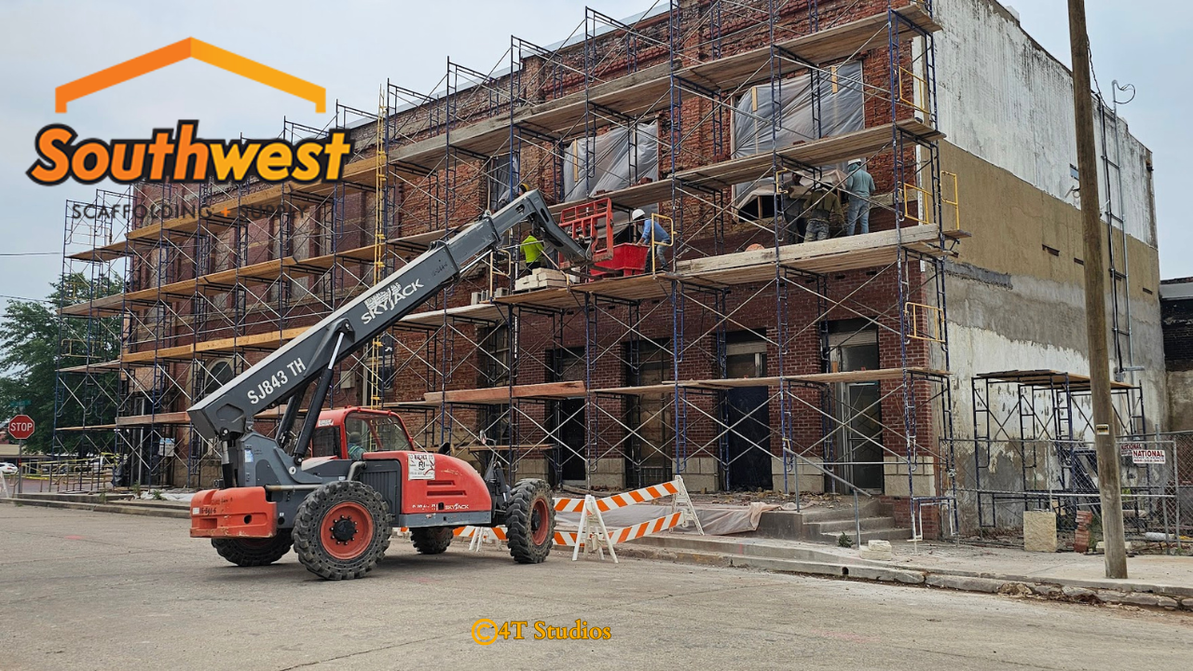
Scaffold Fails & Fixes – Episode 3 Overloaded Platforms: When “Just One More Pallet” Goes Too Far
It usually sounds like this:
“Set it up there for now.”
“It’ll be fine.”
“We’re using it today anyway.”
One pallet of brick.
Then another.
Tools. Mortar. Extra material.
And suddenly the platform isn’t a work surface anymore —
it’s a structural gamble.
Welcome to Episode 4 of Scaffold Fails & Fixes.
What Is an Overloaded Platform?
Every scaffold system is designed with a specific load capacity.
That capacity accounts for:
-
Workers
-
Tools
-
Materials
-
Movement and dynamic loads
When crews stack materials without considering engineered limits, they exceed what the platform was designed to support.
And the risk isn’t always dramatic collapse.
Sometimes it’s gradual deflection.
Loose planking.
Frame stress.
Connection fatigue.
Small warning signs before a big failure.
Why Overloading Is So Dangerous
1️⃣ Structural Compromise
Scaffold systems are engineered — but only when used correctly. Exceeding load limits stresses frames, braces, pins, and connections.
2️⃣ Increased Fall Risk
Even slight platform movement affects worker balance. When decks flex or shift, stability drops.
3️⃣ Falling Material Hazard
Overloaded platforms often mean crowded edges. Without proper staging and toe boards, materials can be kicked off — putting people below at risk.
The Hidden Cost
Overloading can lead to:
-
Platform failure
-
Worker injury
-
OSHA citations
-
Insurance claims
-
Project shutdown
-
Equipment damage
And beyond compliance — it signals poor planning.
Professional crews stage materials intentionally.
They don’t treat scaffold like a storage rack.
The Fix
Proper scaffold planning includes:
✔ Understanding load ratings
✔ Distributing materials evenly
✔ Limiting pallet storage on elevated decks
✔ Coordinating deliveries with workflow
✔ Using engineered systems designed for the trade and task
Scaffold is access — not bulk storage.
If your crew needs heavy material staged at elevation, the solution isn’t “hope.”
It’s proper engineering and planning.
Tomorrow on Scaffold Fails & Fixes:
DIY vs. Engineered Scaffold — The Cost of Guesswork.
Recent Posts
-

Risk management - The Cost of Project Delays in Construction: Where Everything Adds Up
Southwest Scaffolding Risk Management Series – Final Delays are one of the most frustrating parts of …May 6th 2026 -

The History of Scaffolding: From Ancient Systems to Modern Job Site Efficiency
Scaffolding is one of those things most people don’t think about...until they’re standing on it. But …May 5th 2026 -

Risk Management- Cost of an OSHA citation: What It Really Does to Your Business
Southwest Scaffolding Risk Management Series – Part 5 Most contractors think of an OSHA citation as …May 4th 2026