
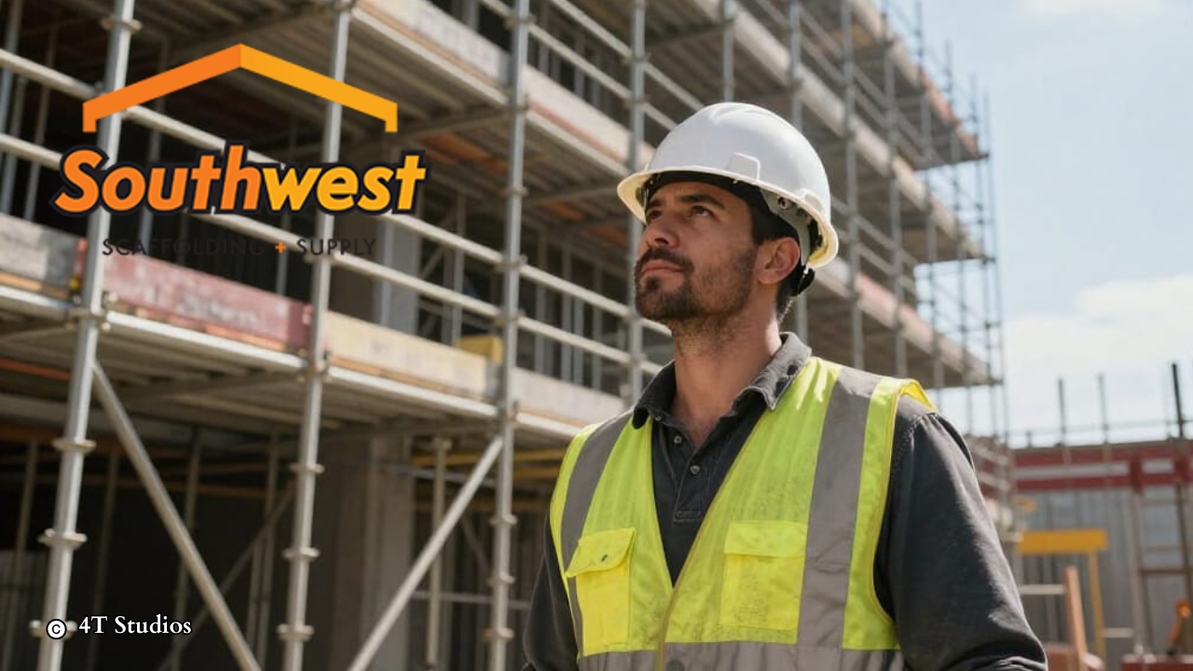
Why Hiring a Professional Scaffolding Company Matter
Scaffolding is one of those things that people often underestimate—until something goes wrong. On paper, it can look simple: pipes, planks, and labor. In reality, engineered scaffolding systems is a highly specialized system that directly affects safety, liability, scheduling, and the overall success of a project. Using high-quality scaffolding sets is the first step toward a secure jobsite.
I’ve seen jobs where scaffolding was treated as an afterthought or handed off to the lowest bidder. I’ve also seen the fallout from that decision. Hiring a professional scaffolding company isn’t about spending more money—it’s about protecting your people, your project, and your bottom line.
Liability: Who Is Really Responsible?
When scaffolding fails, the consequences are serious. Injuries, OSHA violations, project shutdowns, and lawsuits can follow quickly. One of the biggest misconceptions on jobsites is assuming liability automatically falls on “someone else.”
A professional scaffolding company understands where responsibility begins and ends. They provide clear documentation, trained crews, and defined scopes of work that help protect general contractors and property owners from unnecessary exposure. Professional grade scaffold guardrails and safety components are essential for maintaining this compliance.
Without a professional partner, liability often gets blurred. Was it installed correctly? Was it modified by another trade? Was it inspected? Those unanswered questions can become expensive problems.
Insurance Coverage Is Not Optional
Not all scaffolding providers carry the same level—or type—of insurance. This matters more than most people realize.
A professional scaffolding company carries:
-
Proper general liability insurance
-
Workers’ compensation for trained scaffold erectors
-
Coverage specific to scaffolding operations
If a company is underinsured or improperly insured, the risk doesn’t disappear—it shifts to the GC or owner. That’s a gamble no project should take. Verifying insurance and understanding coverage is a critical step that professionals expect and welcome.
Engineering: Scaffolding Is Not One-Size-Fits-All
Every building is different. Ground conditions, height, loading requirements, tie-in points, and access needs all affect how scaffolding should be designed.
Professional scaffolding companies rely on engineered plans when required, not guesswork. Engineering ensures:
-
Proper load calculations
-
Stability in varying site conditions
-
Compliance with OSHA and local regulations
-
Safe access for multiple trades
Improvised or copied setups may look fine at first glance, but they often fail under real-world conditions. Choosing the right scaffold frames and reviewing scaffold test results turns scaffolding into a system you can rely on instead of a risk you hope holds together.
Inspections: Safety Is Ongoing, Not One-Time
Scaffolding doesn’t stop needing attention once it’s erected. Weather, site activity, and trade use can all affect its integrity.
A professional scaffolding company provides:
-
Initial installation inspections
-
Ongoing safety checks
-
Documentation for compliance
-
Prompt adjustments when site conditions change
This proactive approach keeps small issues from becoming major hazards—and keeps projects moving. This includes ensuring all scaffold boards are secure and in good condition throughout the duration of the build.
Professional Scaffolding Supports the Entire Project
Beyond safety, professional scaffolding improves efficiency. Crews can work confidently, access is planned correctly, and multiple trades can operate without constant rework or conflict. Whether using ring lock scaffolding for complex shapes or standard ladders for simple access, quality matters.
At Southwest Scaffolding, our role goes beyond erecting platforms. We support schedules, safety plans, and jobsite coordination so scaffolding becomes an asset—not a liability.
Final Thoughts
Hiring a professional scaffolding company isn’t just a safety decision—it’s a business decision. Liability protection, proper insurance, engineered systems, and routine inspections all work together to protect your project from delays, fines, and preventable accidents.
When scaffolding is done right, it fades into the background. When it’s done wrong, it becomes the only thing anyone talks about. For those looking to manage their own small setups, having the right scaffolding accessories can make all the difference in maintaining safety standards.
Recent Posts
-
Trades Spotlight - Roofers ,Where Height, Slope, and Safety All Collide
Roofing is one of the few trades where the surface you’re standing on is part of the hazard. Add hei …Mar 23rd 2026 -
Trades Spotlight Series - Masons and Stucco
Painting is a trade that’s all about accuracy, and while Masonry and stucco are also about accuracy …Mar 18th 2026 -

Trades Spotlight -Painters
If you’ve ever watched a professional painter tackle a multi-story house or commercial building… you …Mar 17th 2026