
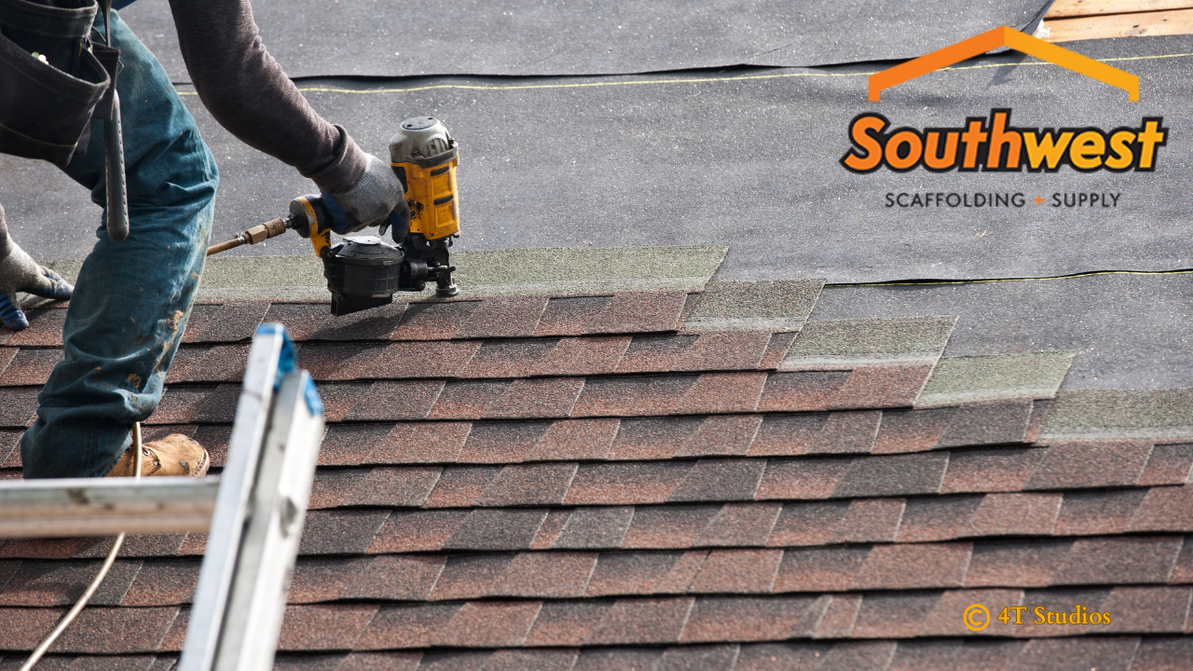
The Strange Evolution of Roofs (And Why We Still Need Scaffolding to Build Them)
Roofs are one of the oldest building elements in human history.
And somehow… they’ve only gotten more complicated.
From thatched huts to architectural metal systems and steep-pitched custom builds, the roof has evolved dramatically over centuries. But one thing hasn’t changed:
Getting up there is still dangerous.
And that’s where proper access — scaffolding, ladders, and fall protection — comes in.
Let’s take a quick walk through history.
When Roofs Were Simple (And Close to the Ground)
Early shelters were basic:
-
Thatch
-
Animal hides
-
Mud and clay
-
Wood planks
Roofs were low. Structures were small. Most work could be done standing on the ground or with minimal climbing.
No harnesses. No engineered fall protection.
But also no three-story commercial buildings.
As civilizations advanced, so did architecture — and height.
Clay Tile, Slate & Steeper Pitches
As societies developed, roofing materials became heavier and more durable:
-
Clay tile in Mediterranean regions
-
Slate in Europe and the northeastern U.S.
-
Wood shakes in early American construction
These materials required:
-
Steeper pitches for drainage
-
Stronger framing
-
Skilled labor
-
Elevated work platforms
Now height mattered.
And so did access.
Workers began using early forms of ladders and wooden scaffolds to reach upper levels. Safety standards didn’t exist — but the need for access certainly did.
The Industrial Revolution: Bigger Buildings, Bigger Risk
As cities expanded in the 1800s and early 1900s, buildings got taller and more complex.
Commercial structures required:
-
Multiple stories
-
Structural steel framing
-
Larger roof spans
-
More specialized roofing systems
At this point, temporary access systems became essential.
You couldn’t just “prop a ladder and hope for the best.”
More organized scaffolding systems started appearing on large job sites. Safety was still primitive by today’s standards, but the concept of controlled access was becoming necessary.
Modern Roofs: Complex, Technical, and High Off the Ground
Today’s roofs are a different world entirely.
We now see:
-
TPO and membrane systems
-
Architectural metal panels
-
Green roofs
-
Solar installations
-
Complex drainage systems
-
High parapet walls
Modern commercial roofing often involves:
-
Multiple trades
-
Large crews
-
Heavy materials
-
Equipment staging
-
Strict OSHA compliance
And let’s be honest — the average roof is higher, steeper, and more complicated than ever before.
The strange evolution of roofs has made fall protection and proper access non-negotiable.
Why Proper Access Matters More Than Ever
Roof work combines:
-
Height
-
Edges
-
Slopes
-
Weather exposure
-
Material handling
That’s a high-risk combination.
Proper scaffolding systems allow crews to:
-
Access roof edges safely
-
Stage materials more efficiently
-
Protect workers during installation
-
Improve overall productivity
Ladders must be secured. Guardrails must be installed where required. Tie-ins and fall protection systems must be properly configured.
Safety isn’t just about compliance.
It’s about making sure everyone goes home.
The Roof May Have Evolved — Gravity Has Not
Building materials change. Architecture evolves. Roofing systems become more advanced.
Gravity stays the same.
Whether you’re working on a commercial flat roof or a steep residential build, access equipment must match the complexity of the project.
That means:
-
Reliable scaffold systems
-
Stable base support
-
Proper bracing
-
Guardrails and fall protection
-
Secure ladder access
Cutting corners at height is never worth the risk.
Build It Safely with Southwest Scaffolding
At Southwest Scaffolding, we provide dependable access equipment for roofing contractors, commercial builders, and exterior trades.
From scaffold frames and guardrail systems to ladder access solutions and fall protection components, we help crews work safer and more efficiently at height.
If you have an upcoming roofing project and need reliable access equipment — whether rental or purchase — contact Southwest Scaffolding today.
Because roofs may have evolved.
But safety still starts with solid footing.
Recent Posts
-
Trades Spotlight - Roofers ,Where Height, Slope, and Safety All Collide
Roofing is one of the few trades where the surface you’re standing on is part of the hazard. Add hei …Mar 23rd 2026 -
Trades Spotlight Series - Masons and Stucco
Painting is a trade that’s all about accuracy, and while Masonry and stucco are also about accuracy …Mar 18th 2026 -

Trades Spotlight -Painters
If you’ve ever watched a professional painter tackle a multi-story house or commercial building… you …Mar 17th 2026