
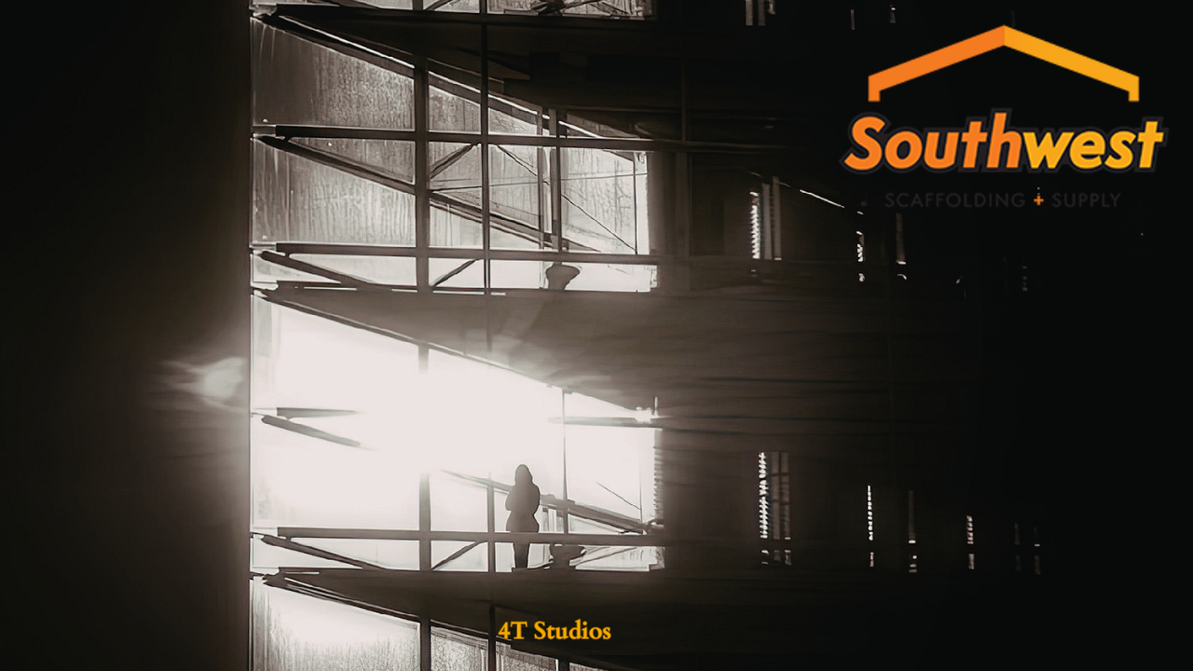
Scaffold Fails & Fixes – Episode 4 DIY vs. Engineered Scaffold: The Cost of Guesswork
It starts with good intentions.
A few frames from a past job.
Some mismatched components.
A plank that “should work.”
A quick setup to save time or money.
After all — scaffold is just metal and boards… right?
Not exactly.
Welcome to Episode 4 of Scaffold Fails & Fixes — where we break down real-world jobsite shortcuts and the smarter solution.
What’s the Difference?
DIY Scaffold Setup
Often includes:
-
Mixed components from different systems
-
Improvised tie-ins
-
Incomplete guardrails
-
No load calculations
-
No engineered plan
-
No documented inspection process
It may look stable.
But stability isn’t visual.
It’s structural.
Engineered Scaffold System
Designed with:
✔ Calculated load capacities
✔ Proper tie-ins and anchoring
✔ Complete guardrail systems
✔ Safe access points
✔ Compliance with OSHA standards
✔ Professional erection and inspection
Engineered systems remove guesswork.
And guesswork is where risk lives.
Why DIY Becomes Expensive
The appeal of DIY scaffold is usually cost.
But the hidden costs include:
-
Increased fall exposure
-
OSHA citations
-
Insurance liability
-
Structural failure
-
Project delays
-
Reputational damage
If something goes wrong, “we thought it was fine” doesn’t hold up legally.
The Professional Standard
Professional contractors plan for elevation work the same way they plan foundations or structural framing.
They don’t improvise structure.
They engineer it.
Scaffold isn’t just access — it’s a temporary structure supporting people, materials, and movement.
That deserves planning.
The difference between DIY and engineered scaffold isn’t appearance.
It’s accountability.
Tomorrow on Scaffold Fails & Fixes:
Wind Load Mistakes — What Contractors Overlook Before the Storm hits
Recent Posts
-

Scaffold Fails & Fixes – Episode 4 DIY vs. Engineered Scaffold: The Cost of Guesswork
It starts with good intentions. A few frames from a past job.Some mismatched components.A plank that …Mar 5th 2026 -
Scaffold Fails & Fixes – Episode 3 Overloaded Platforms: When “Just One More Pallet” Goes Too Far
It usually sounds like this: “Set it up there for now.”“It’ll be fine.”“We’re using it today anyway …Mar 4th 2026 -
Scaffold Fails & Fixes – Episode 2 Missing Guardrails: The Most Ignored Hazard on Jobsites
There’s a dangerous phrase in construction: “It’s only for a minute.” Guardrails get left off.Mid- …Mar 3rd 2026