
All-Terrain Scaffolding: How to Work Safely and Efficiently on Uneven Ground
Not every job site is a clean, flat concrete slab. In fact, some of the toughest, most demanding projects happen on dirt, gravel, slopes, or ground that changes every time it rains. From rural residential builds to post-disaster restoration zones and industrial sites, unstable terrain is a reality of construction.
That’s where all-terrain scaffolding comes in. Designed to handle uneven and unpredictable ground conditions, this type of system allows crews to stay productive, compliant, and—most importantly—safe when the surface beneath them can’t be trusted.
What Is All-Terrain Scaffolding?
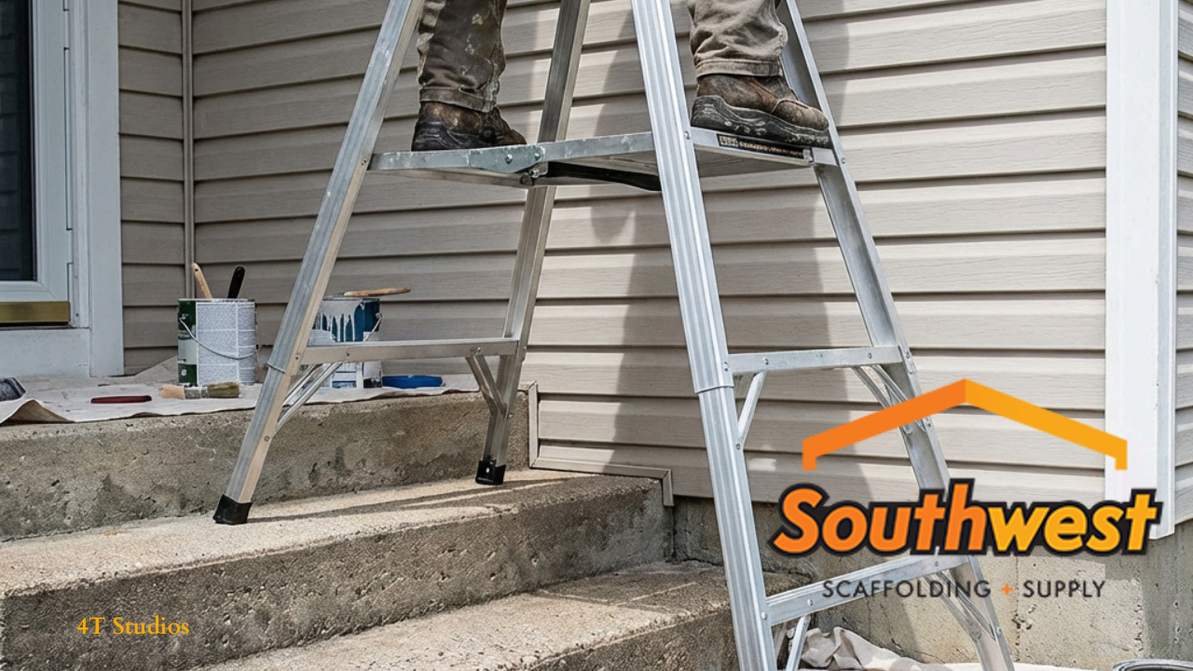
All-terrain scaffolding is engineered to remain stable and level on soft, sloped, or uneven surfaces. Unlike standard indoor or slab-based systems, it’s built to adapt to the ground rather than fight it.
Key features typically include:
-
Adjustable base plates or leveling jacks – These allow each leg of the scaffold to be fine-tuned independently, creating a level working platform even when the ground slopes or dips.
-
Wider footings for better weight distribution – Larger base pads help prevent sinking into dirt, sand, or gravel, especially after rain or in high-traffic areas.
-
Heavy-duty frames and braces – Outdoor-rated materials and reinforced cross-bracing increase stability in wind, shifting soil, and rugged conditions.
Together, these components create a system that can “float” safely on challenging terrain while maintaining structural integrity and load capacity.
Why Ground Conditions Matter More Than You Think
Many job site incidents don’t start at height—they start at the base. Soft soil, erosion, or water saturation can cause scaffold legs to shift or settle over time. Even a small amount of movement at the bottom can translate into dangerous sway at the top.
All-terrain scaffolding addresses these risks by:
-
Reducing point pressure on the ground
-
Allowing continuous re-leveling as conditions change
-
Providing a more rigid, stable frame under load
For project managers and safety officers, this means fewer delays, fewer compliance issues, and a lower risk profile overall.
When You Should Use All-Terrain Scaffolding
You should strongly consider all-terrain systems for projects where the surface is unpredictable or unfinished, including:
Residential Construction on Ungraded Lots
New home builds often begin before final grading is complete. Sloped yards, soft fill dirt, and temporary access roads make standard scaffolding a poor fit. All-terrain systems provide a stable platform for framing, masonry, siding, and exterior finish work.
Disaster Recovery and Restoration Projects
After storms, floods, or fires, ground conditions can change daily. Mud, debris, and compromised soil make stability a top concern. Adjustable and wide-footed scaffolding helps crews work safely while conditions are still evolving.
Industrial and Utility Sites
Gravel yards, pipeline corridors, and plant expansions rarely offer smooth surfaces. All-terrain scaffolding is ideal for maintenance, repairs, and installations in these rugged environments.
Outdoor Masonry and Façade Work
Brick, stone, and façade crews often work along building perimeters where landscaping, drainage slopes, or uneven backfill can’t be avoided. A terrain-adaptive scaffold system keeps the focus on craftsmanship instead of footing.
When You Shouldn’t Use It
If you’re working indoors or on a finished, flat concrete slab, standard rolling or frame scaffolding is usually more efficient. It’s lighter, faster to move, and often more cost-effective for controlled environments.
All-terrain systems shine in complexity—not simplicity. Matching the scaffold type to the job site saves time, money, and setup effort.
Safety First, Always
No matter how advanced the system, safety starts with proper setup and daily discipline. Best practices include:
-
Level the base every time – Don’t assume yesterday’s setup is still safe today. Soil can shift overnight.
-
Use proper tie-offs and anchoring – Secure the scaffold to a stable structure whenever possible, especially at height.
-
Inspect before every shift – Look for sinking footings, loose braces, bent frames, or missing pins.
-
Mind weather conditions – Rain, wind, and temperature changes can affect both the ground and the structure.
A few extra minutes of inspection can prevent hours of downtime—or worse, a serious injury.
Choosing the Right Partner Matters
Not all scaffolding providers understand the realities of rugged job sites. Working with a team that knows how to assess terrain, recommend the right system, and support safe installation can make or break a project timeline.
At Southwest Scaffolding, we specialize in helping contractors, masons, and project managers find solutions that match real-world conditions—not just ideal ones. Whether you’re dealing with slopes, soft soil, or shifting ground, we’ll help you build a platform you can trust.
Final Thoughts
Uneven ground doesn’t have to mean uneven performance. With the right all-terrain scaffolding system, your crew can work confidently, efficiently, and safely—no matter what’s underfoot.
If your next project takes you off the slab and into the real world of dirt, gravel, and slopes, make sure your scaffolding is ready for the challenge.
Need help selecting the right system? Contact Southwest Scaffolding to get expert guidance for your job site.
Recent Posts
-
Trades Spotlight - Roofers ,Where Height, Slope, and Safety All Collide
Roofing is one of the few trades where the surface you’re standing on is part of the hazard. Add hei …Mar 23rd 2026 -
Trades Spotlight Series - Masons and Stucco
Painting is a trade that’s all about accuracy, and while Masonry and stucco are also about accuracy …Mar 18th 2026 -

Trades Spotlight -Painters
If you’ve ever watched a professional painter tackle a multi-story house or commercial building… you …Mar 17th 2026